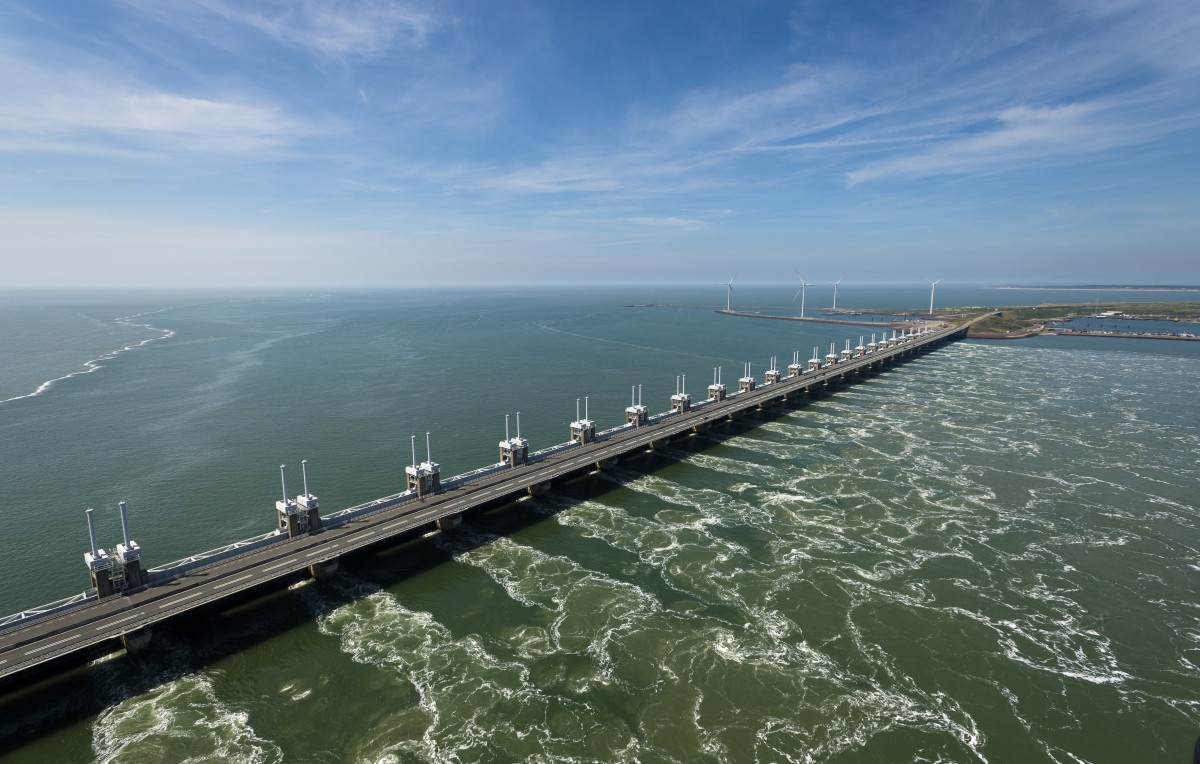
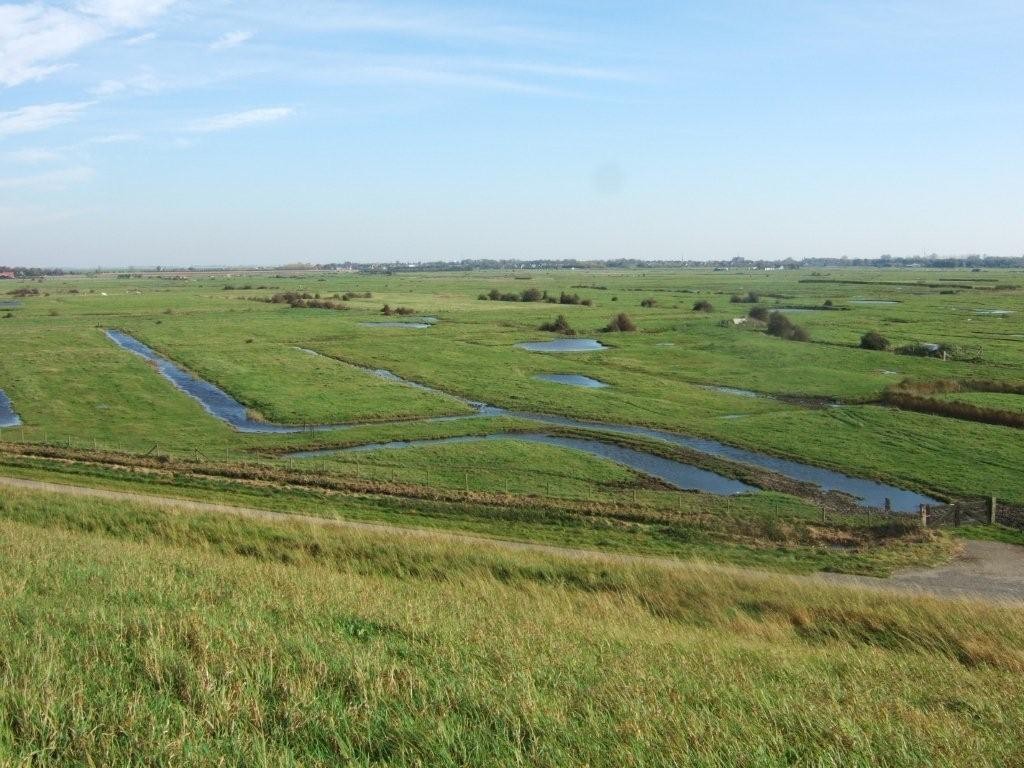
A 46 km cycling route along the briny waters of the Eastern and Western Scheldt. Along the way, you discover everything about two of Zeeland's most prized marine treasures: mussels and oysters!
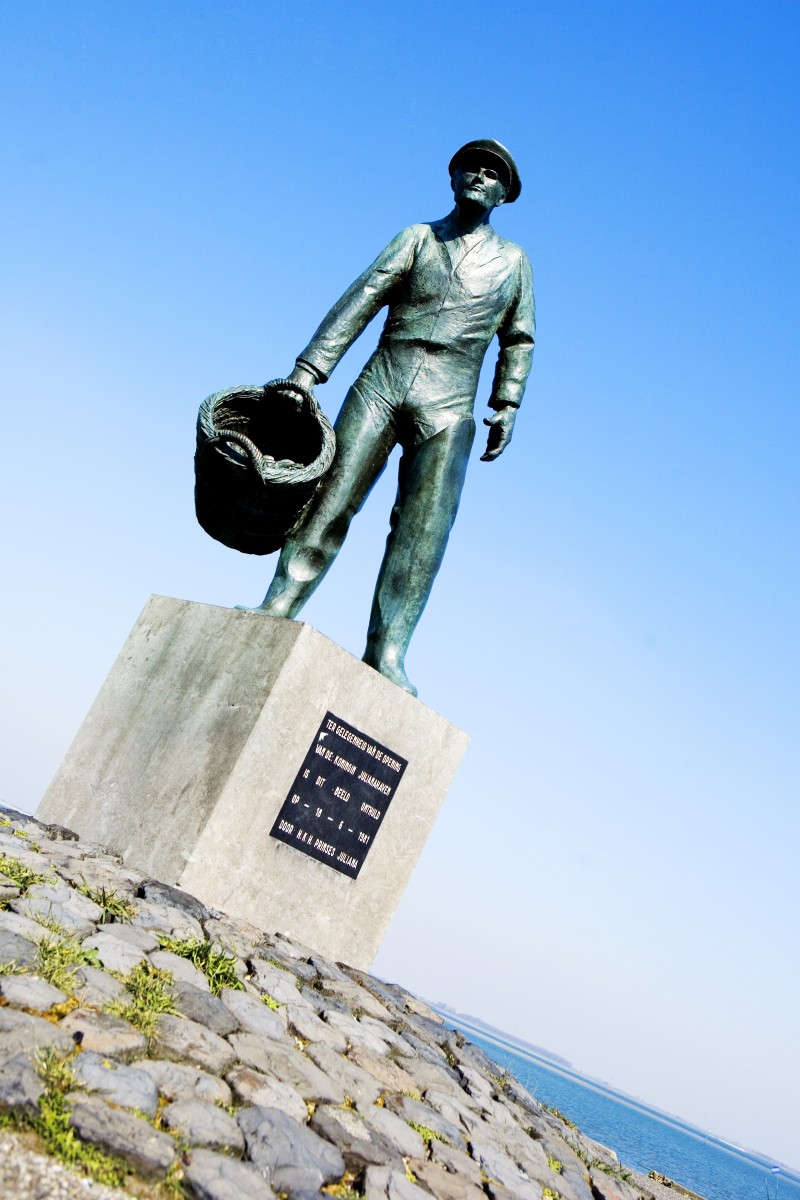
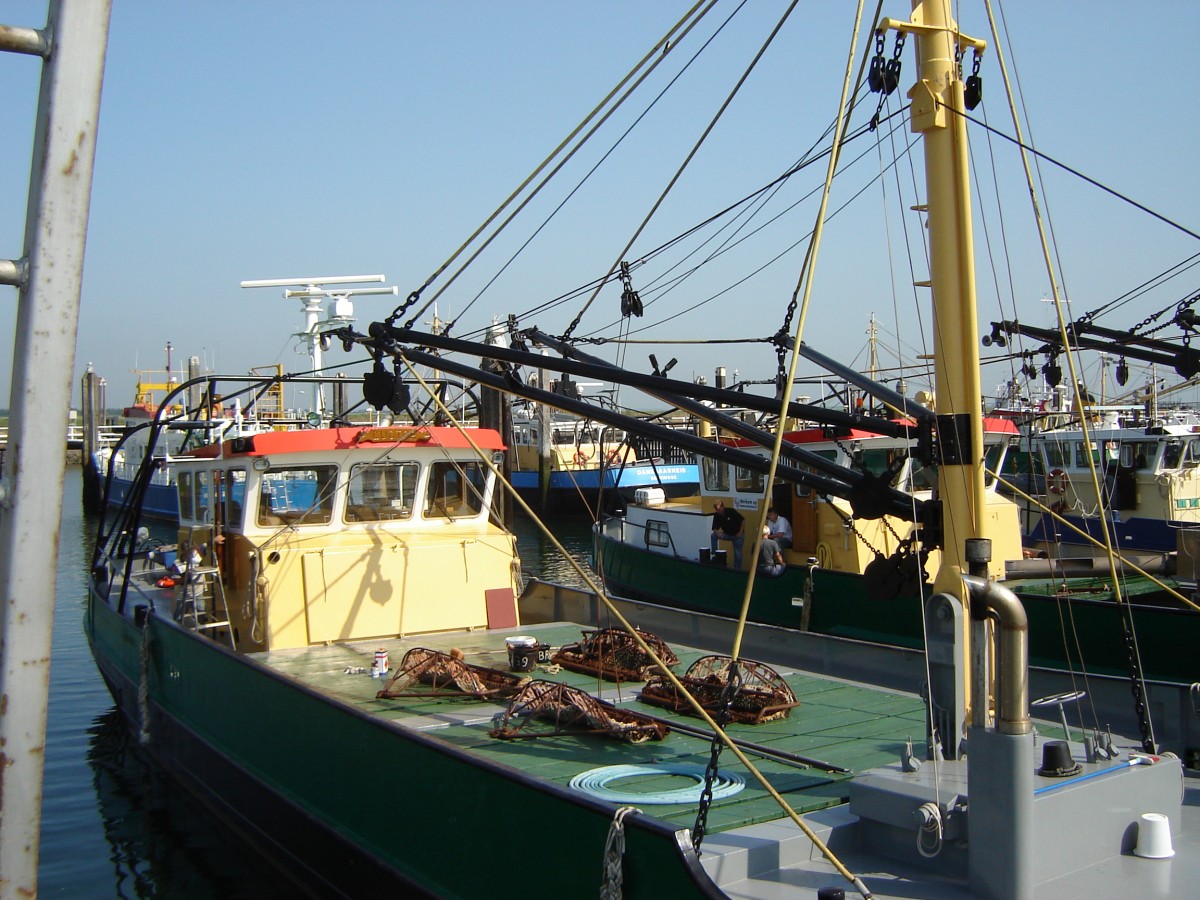
The bronze statue of a mussel man at the harbour head in Yerseke symbolises a centuries-old tradition. Fishing cutters unload their mussel catch here, and via the local mussel auction, the 'black gold' makes its way around the world. Fresh from the water, they're at their very best – give them a try!
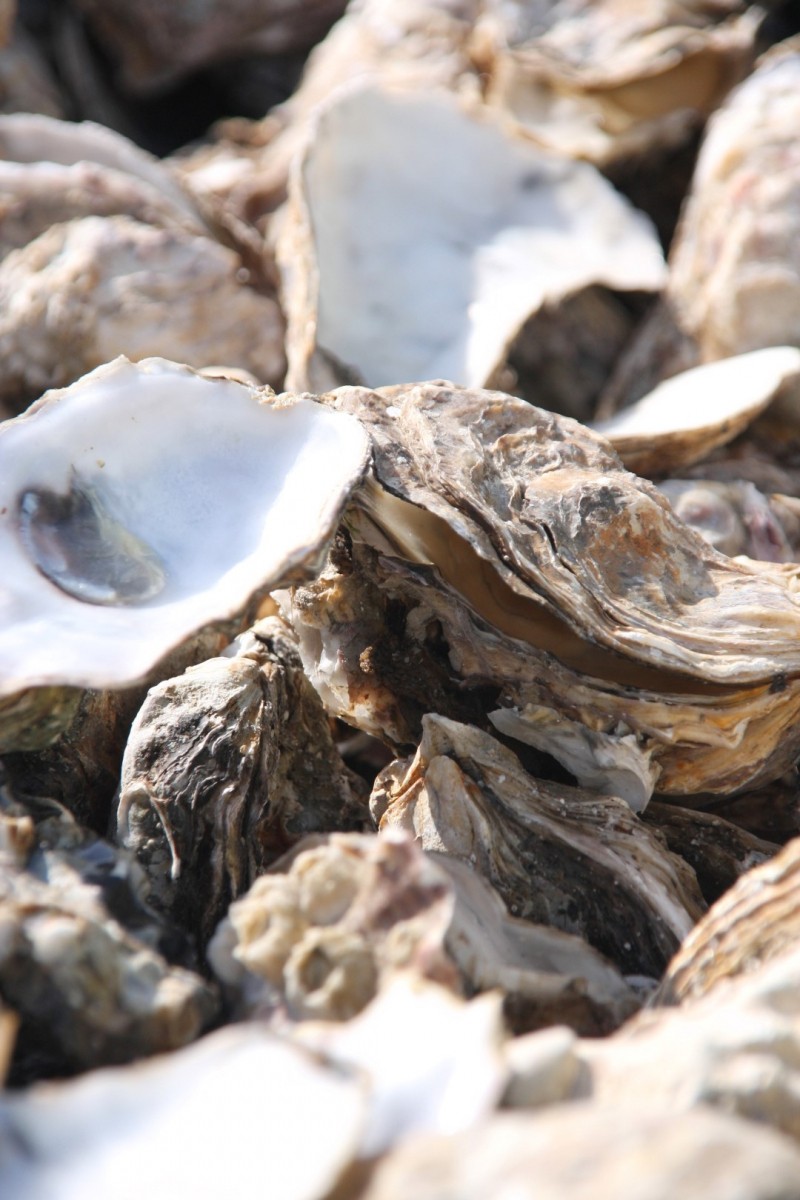
Take a break from cycling to visit the oyster pits. You can see the oysters resting in their wet storehouses. These historic pools are now part of Zeeland's cultural heritage.
The route can be started at any junction. It can also be split into two sections – simply ride from junction 83 (via 53 - 54 - 52) to 49.
Fresh products from the sea When you think of Zeeland, you think of mussels! Mussel production is not actually fishing but 'wet farming'. In late spring, billions of mussel seeds float in the salt waters of the Eastern Scheldt and the Wadden Sea. Within a week, a tiny shell forms around each seed, and the baby mussel sinks to the bottom, attaching itself to others with thread-like fibres. This creates thick mats of mussel seed. Mussel farmers collect this seed and bring it to mussel beds to grow into edible mussels – a process that takes about two years. After two years, the mussels are harvested and brought to the mussel auction in Yerseke.
And then the oysters! There are two types of oysters: the Zeeland wild oyster (also called creuse) and the Zeeland flat oyster. Oysters can be served raw or grilled. In Yerseke, oysters are cultivated and sold almost all year round. Both mussel and oyster farming are characteristic of the waters around Yerseke.


 , 4424 BD Wemeldinge