The ‘Manteling’ is a slim stretch of woodland on the North-Walcheren coast, where tree branches have grown entwined, due to the ferocious sea-breeze. The route (39,3 km) runs through it, and beyond, to artists’ village Domburg and historical Veere.
In the early 1900s, Domburg was a high-end seaside haunt, first visited by the elite, though artists like Toorop and Mondriaan were hot on their sandy heels. The painters would bask, easel-in-tow, in the generous Zeeuws sunlight, gazing at the dunes and sea beyond.
The cycle path stretches, or bends, from Domburg to De Manteling, a favourite woodsy area for the wealthy townsmen to build their 17th-century country piles. Veere has yet more wealth and riches: more stately townhouses than you’ve ever seen in one go.
Enjoy your ride!
Looking for more cycling routes? Discover them on the map.
Have you spotted missing or damaged route signs along the way? Please report them via routemeldpunt.nl.
When you think of Domburg, the beach and its famous painters may be the first things that come to mind, but Domburg has much more to offer.
The town has an impressive history, in which the sea, the landscape, its houses and, above all, its remarkable residents have created Domburg’s distinctive atmosphere.
Domburg has been a renowned seaside resort since 1834. Aristocrats and wealthy visitors travelled from all over Europe to the Domburg coast to enjoy the health benefits of the sea. Elegant villas and grand hotels were built to accommodate them. Even today, you will still find country houses, boutiques, galleries and the historic Badpaviljoen.
Domburg continues to be a place of health and wellbeing, from the fresh sea air to the delicious local produce. Since 2014, the town has officially been recognised as a therapeutic seaside resort. The European Spas Association only awards this designation after the seawater, climate and natural resources of the area have been studied and officially recognised for their beneficial properties.
De Manteling
Domburg borders directly on De Manteling, a unique woodland area with stately country estates and beautiful gardens. It is one of the few oak forests situated directly by the sea. The forest was originally planted to protect Walcheren from the cold sea winds, acting like a protective cloak. Those same winds have given the trees their distinctive shapes. Today, De Manteling is a protected nature reserve dedicated to peace, tranquillity and relaxation.
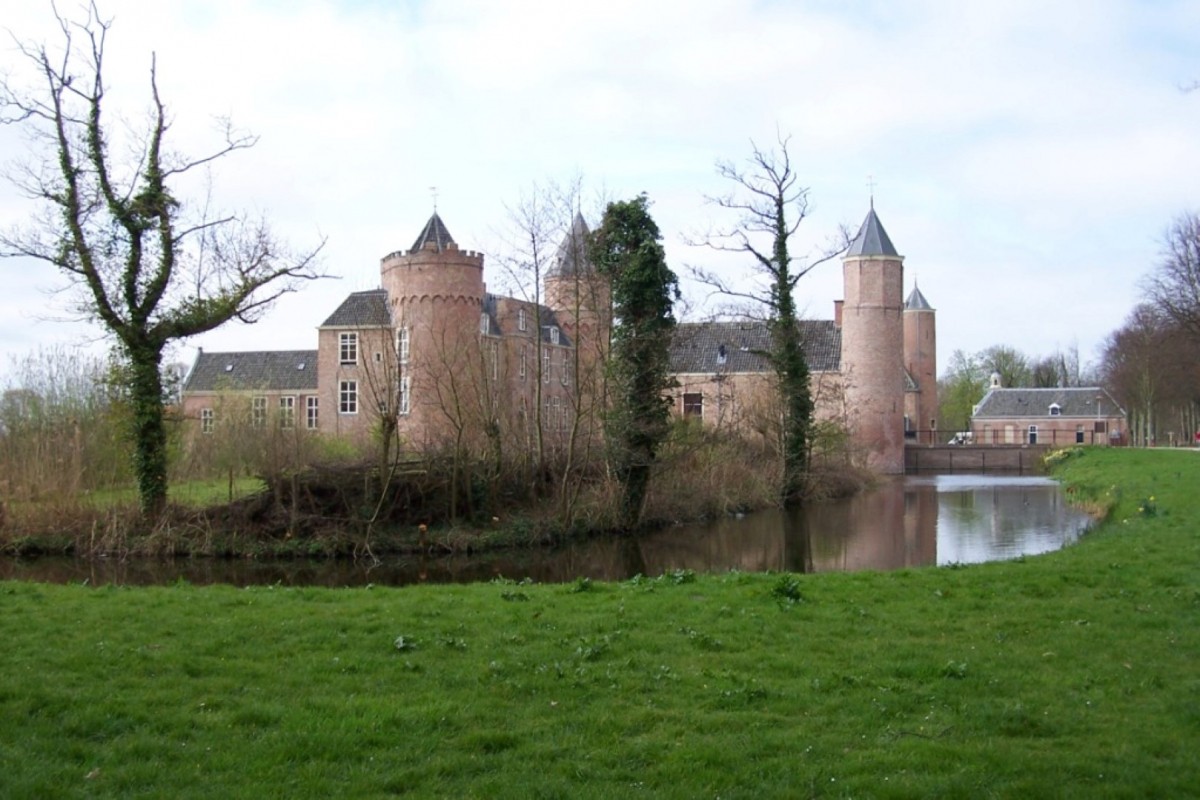
De Manteling is also home to Westhove Castle, one of the most important historic monuments in the region. The castle was built in the 13th century and probably served a military purpose until the 15th century. It later became a country residence for the abbots of Middelburg. At the beginning of the Eighty Years’ War, the castle was occupied by pro-Spanish forces, and much of it was destroyed by fire when it was recaptured. It later came into private ownership and was restored. Today, the castle is used as a hostel.
Oranjezon
The most varied dune landscape in Zeeland can be found at Oranjezon, near Vrouwenpolder. From the entrance, the landscape gradually changes from woodland to scrubland and dune grassland. The area was formerly used for drinking-water extraction, and traces of this can still be seen today. Wide channels run through many parts of the nature reserve.
Around dusk, you may spot roe deer and fallow deer. A little easier to find are the wild ponies that graze in the area. Five walking routes run through Oranjezon, each marked with its own colour. The routes range from 3 to 8 kilometres in length. Today, the nature reserve is managed by Stichting Het Zeeuwse Landschap. Admission costs €1, payable at a machine at the entrance. Children under the age of 16 can enter free of charge.
Veere
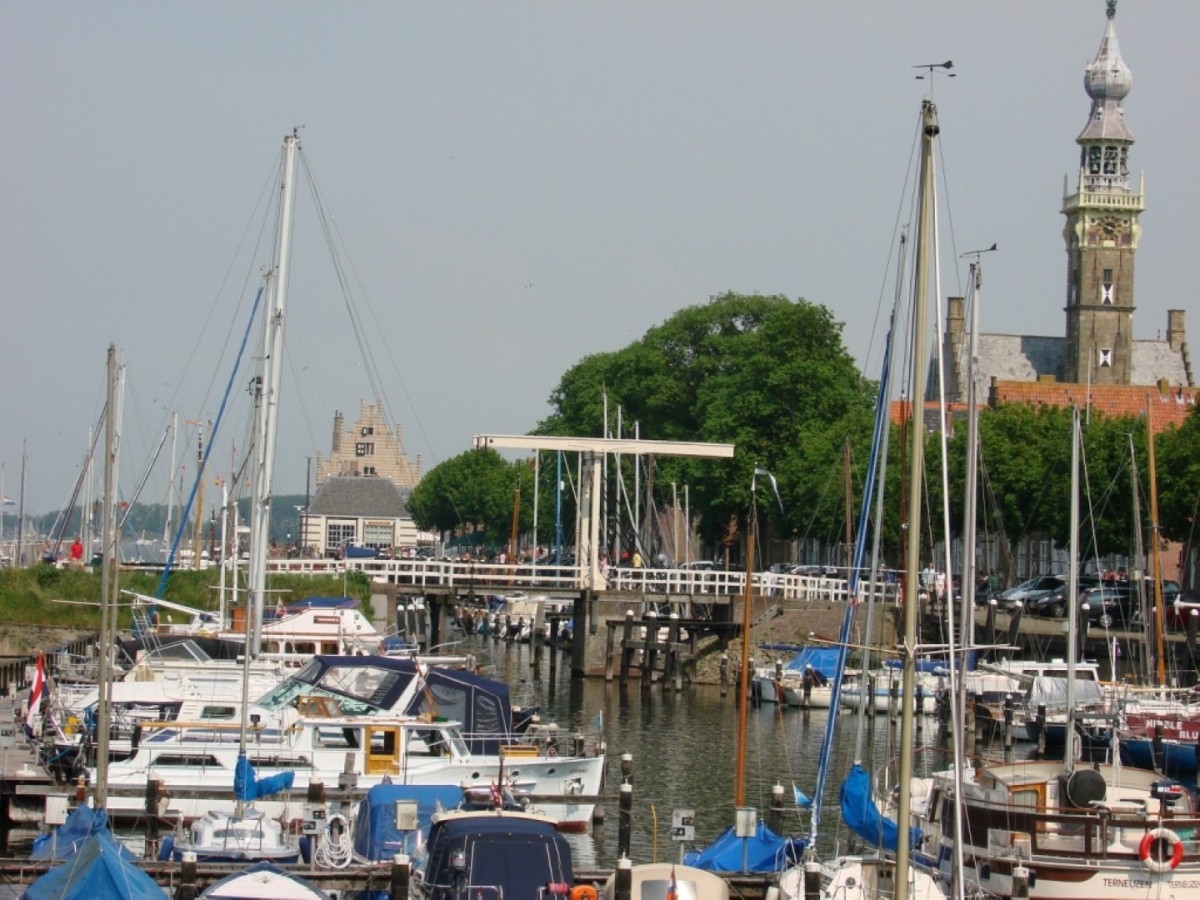
Veere is a place where history can literally be found in the streets. Where richly laden ships from Scotland once moored, yachts now fill the harbours.
Museum De Schotse Huizen, located on the Kaai in Veere, recalls the town’s prosperous Scottish past. The museum is housed in two historic Scottish merchants’ houses, Het Lammeken and De Struijs. Among its exhibits is a Scottish Room, furnished as the reception room and office of the Scottish administrator who once governed the Scottish community in Veere.
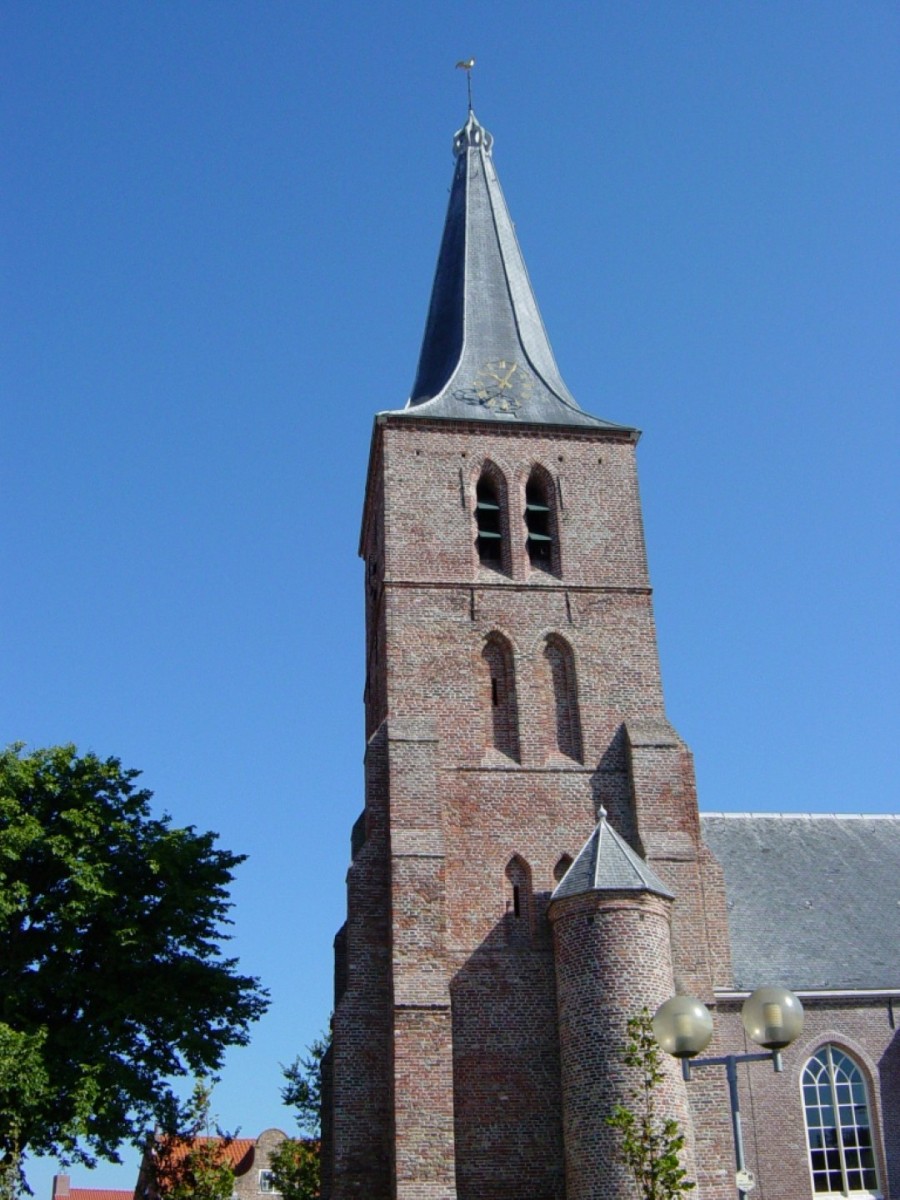
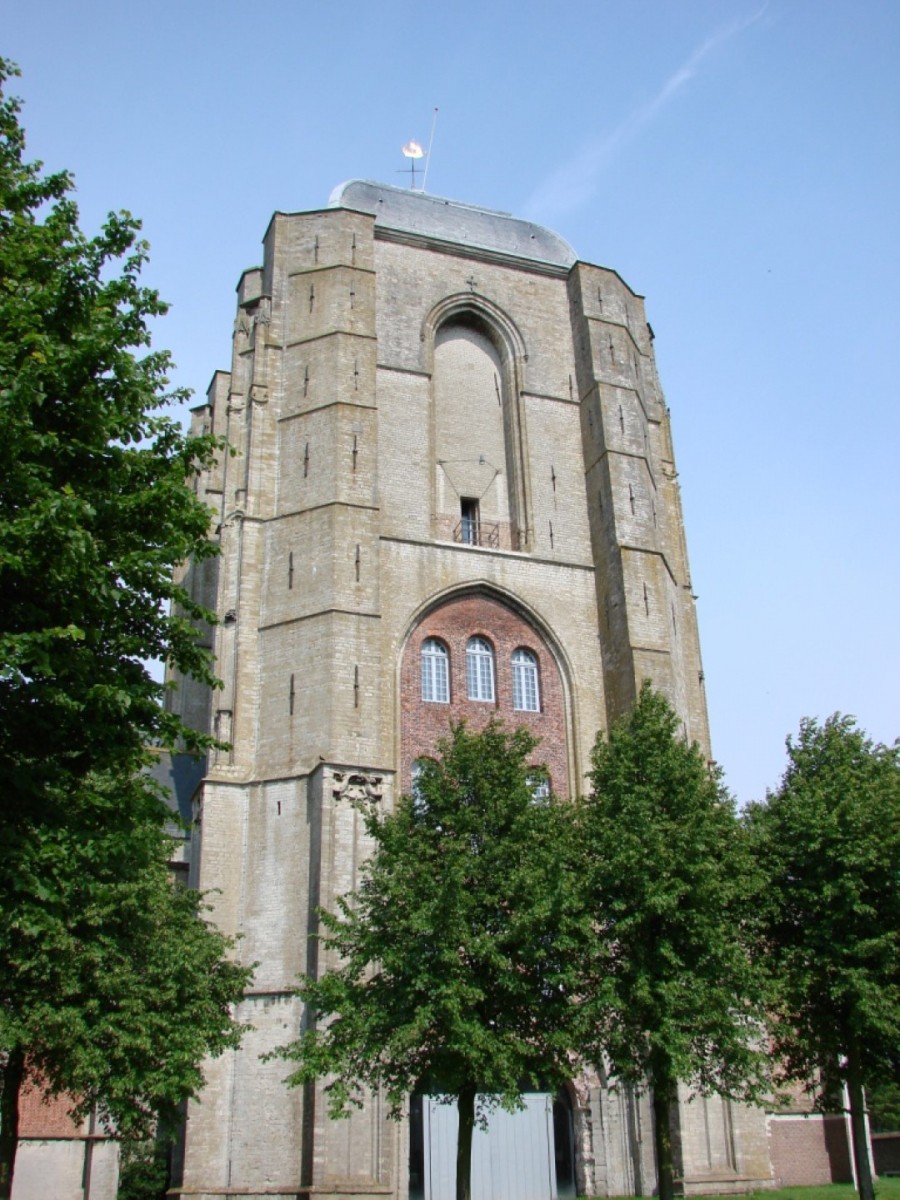
The Grote Kerk is one of the town’s most distinctive buildings. Its impressive size reflects how prosperous Veere once was. The church was completed in 1521 and has served as a place of worship, a military hospital and a poorhouse. Today, it is used as a cultural centre.
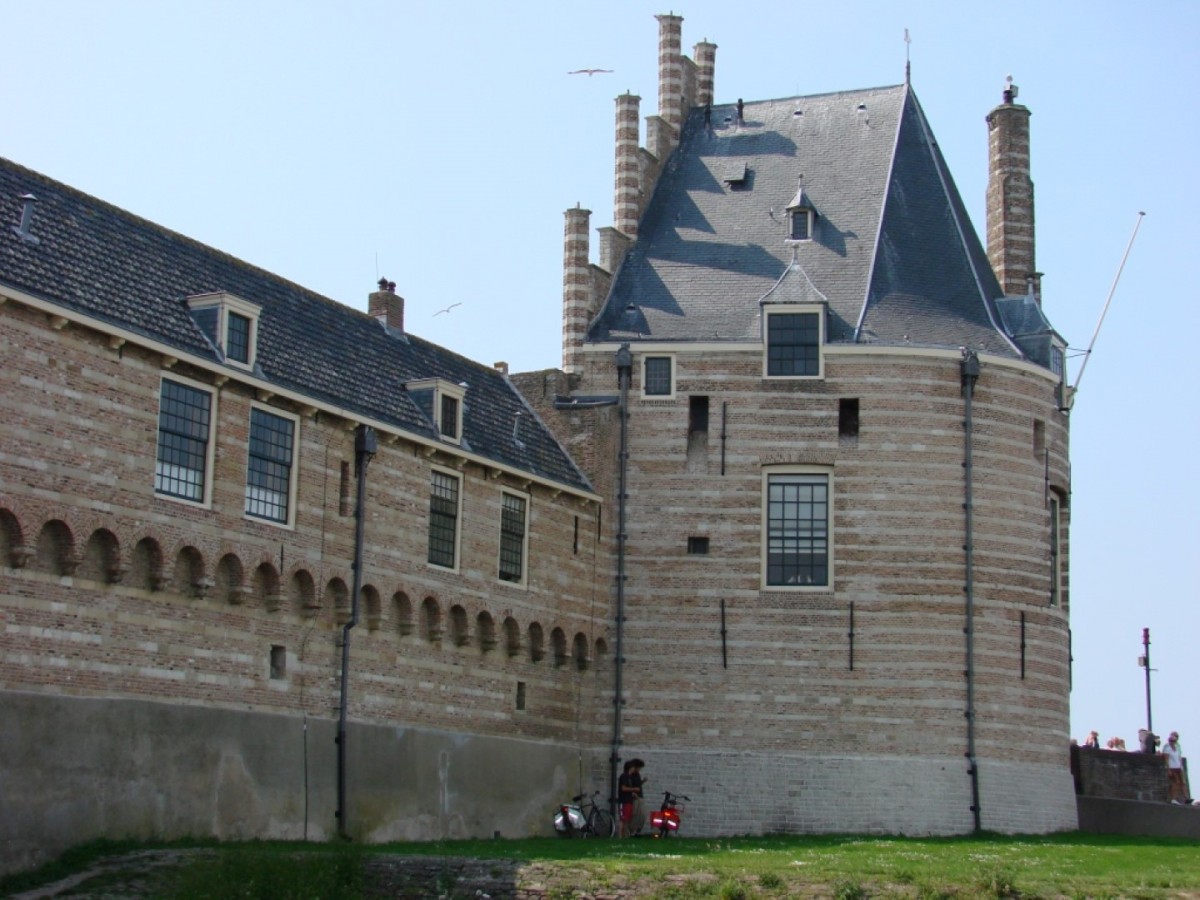
The Campveerse Toren is another remnant of Veere’s former defensive structures, dating from around 1500. It was later used as an inn and a coastal beacon. Today, it remains one of the oldest surviving inns in the Netherlands.
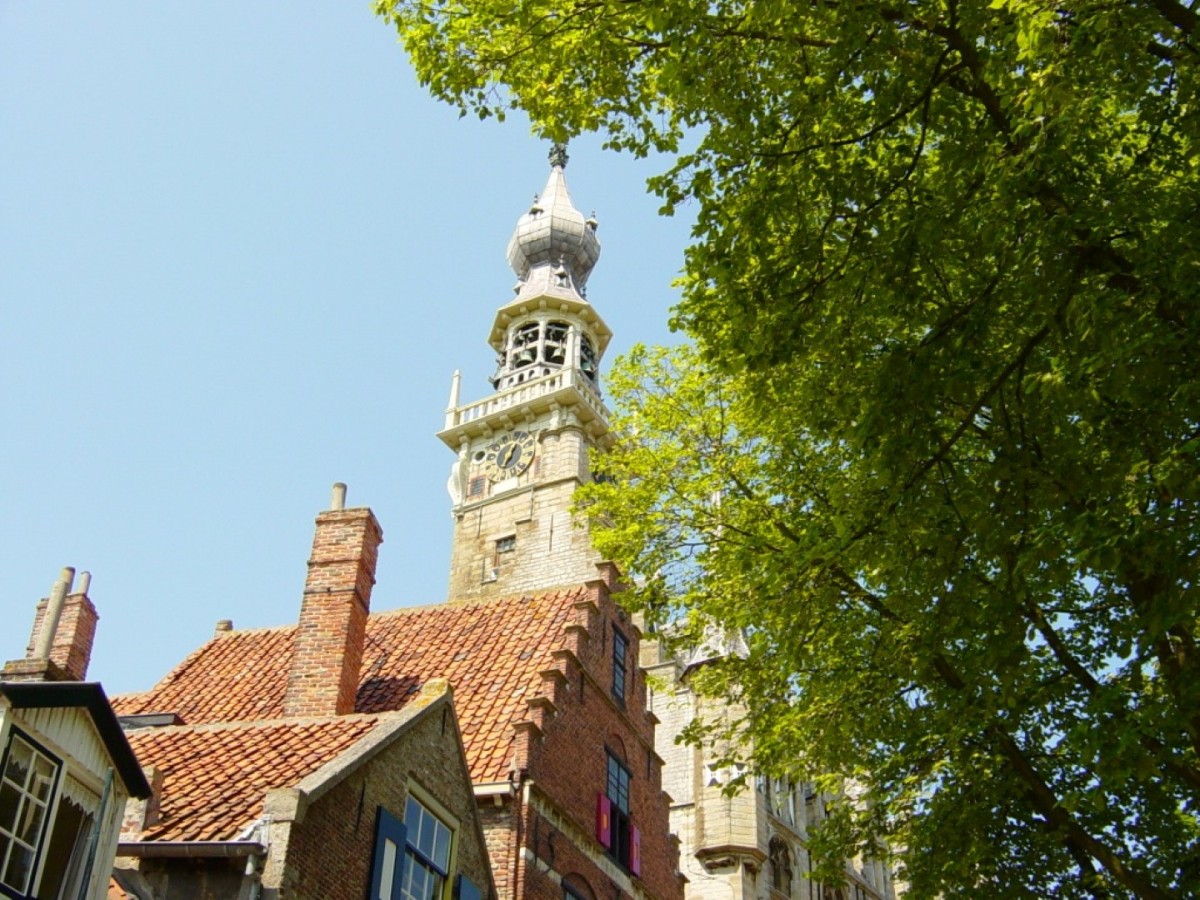
Veere’s Town Hall was built in the 15th century, while its carillon tower dates from the 16th century. The building was designed by the Keldermans family from Mechelen, who also built Middelburg’s Town Hall. During restoration work between 1931 and 1934, the badly weathered statues on the façade were replaced with new ones. The original statues can now be seen in Museum De Schotse Huizen.
Veerse Meer
Veere lies on the shores of the Veerse Meer. From the water, the town can be seen from afar, with the distinctive silhouette of the Grote Kerk standing out on the skyline. Boats can sail directly from the lake into Veere’s harbour. The harbour terraces offer beautiful views across the Veerse Meer. On busy days, the water comes alive with a colourful maze of sails. Many cyclists and walkers enjoy completing a circuit around the Veerse Meer, with Veere serving as a popular starting or finishing point.