From pumpkin to seaweed, and from buffalo milk to pies made with fruit from the orchard
Hop on your bike and discover the salty and sweet flavours of the Bevelands. Look, listen, smell, touch and taste. De Smaek van Zeêland and local entrepreneurs invite you to discover lesser-known spots on Noord- and Zuid-Beveland. They live and work in a flavourful (sea)scape, where land and water meet. This salty, sweet landscape is steeped in culinary history that tells stories of a world gone by.
On the island of Noord-Beveland you can meet the island's own fruit and vegetable broker. Their stall at the foot of the dike always has something fresh and homegrown. Or visit the farm shop and bakery in Kamperland, where you'll find pies made with fruit from their own orchard. Taste how Zeeland buffalo custard or yoghurt gets a touch of Italy, with a surprising Asian twist, at the water buffalo farm.
In the Jacobahaven you can smell the world of seaweed, one of the key products of modern-day aquaculture, or farming at sea. Razor clams, cockles, carpet shells, lobster and oysters await at Seafarm, on the edge of the Oosterscheldekering. This storm surge barrier was once called the eighth wonder of the world.
Explore the Oosterschelde Boulevard, the southern part of Oosterschelde National Park. Here you'll find the salty world of one of Europe's most remarkable tidal landscapes. Grab some fish at the fish shop, or ride on to the world of pumpkins and flowers at the pumpkin farm.
On this ride, flavours and scents, nature and landscape, people and history come together. A voyage of discovery through Zilt Zoet Zeeland, today and in the past.
Before you set off, don't forget to check the opening hours of the participating businesses. Enjoy the ride!
Oosterscheldekering Viewpoint and Tidal Nature Entrance
, Kamperland
8
Aqua Valley Sophiahaven
, 4493 ML Kamperland
9
Keihoogte Inlagen
, Wissenkerke
10
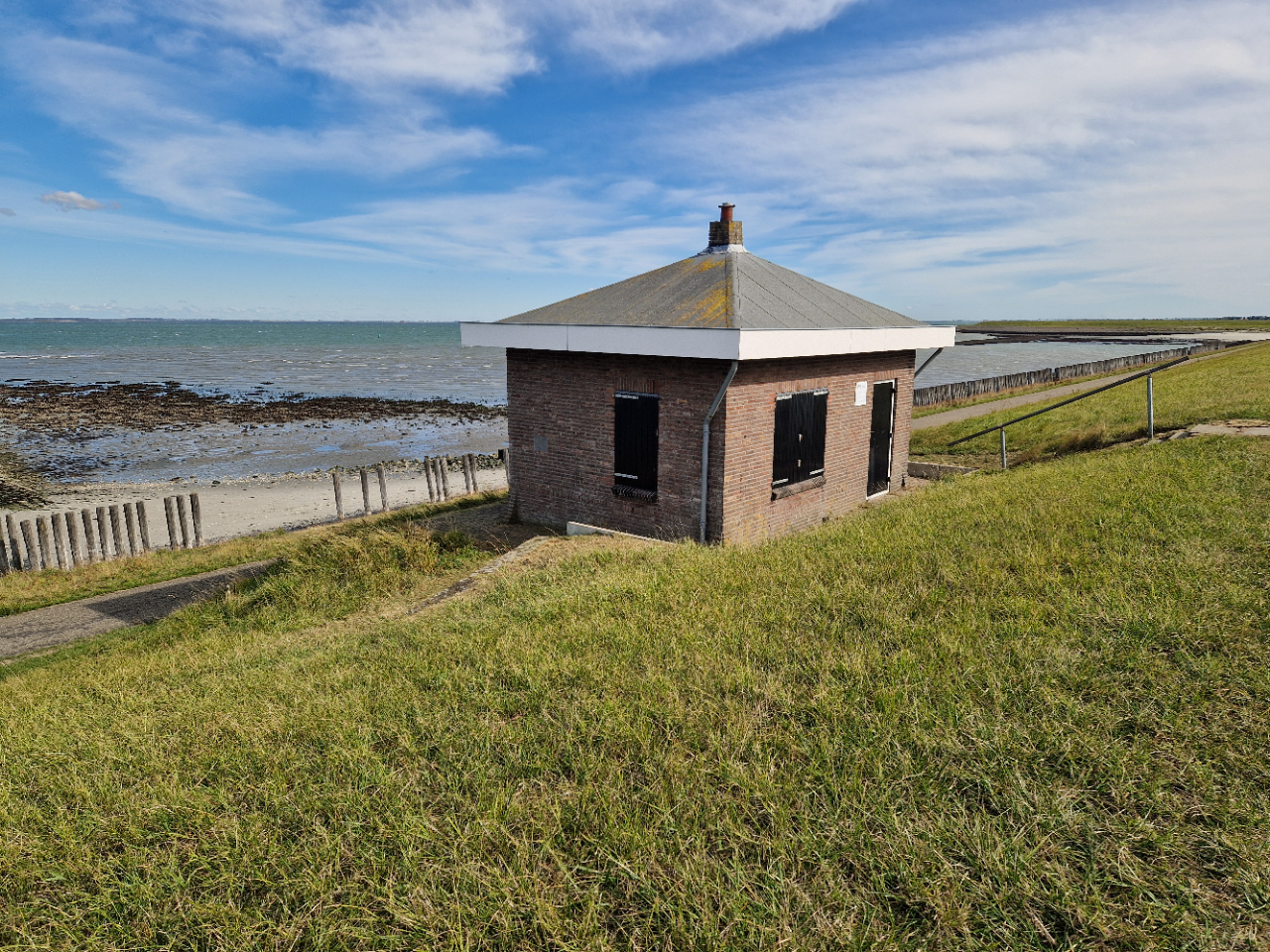
Dike Watchman's House and Tide Pool
, Wissenkerke
Description
1. Geersdijk Agricultural Harbour
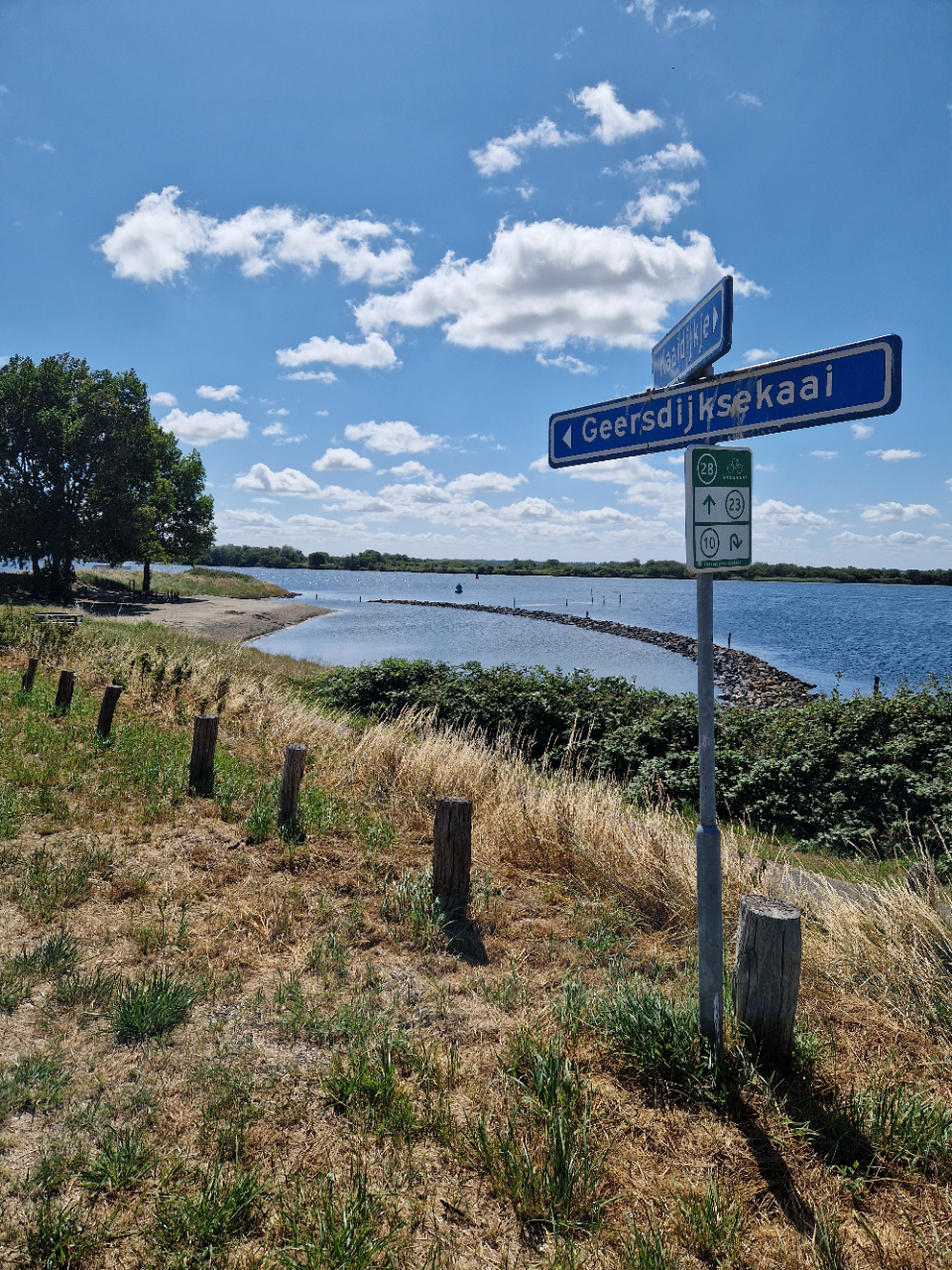
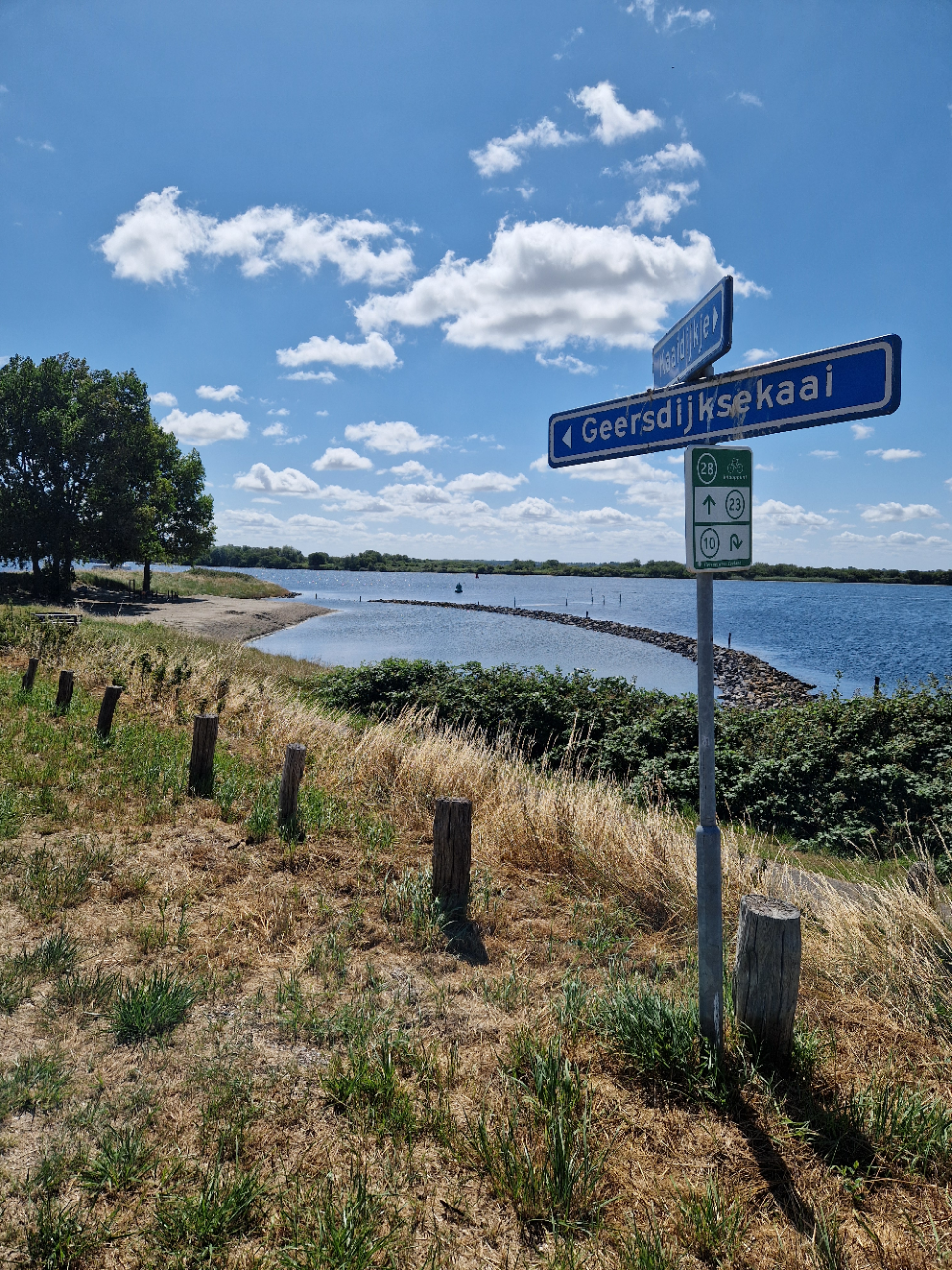
Start your journey at the quiet little harbour of Geersdijk and discover how this island was once connected to the outside world. Until well into the 20th century, flat-bottomed boats departed from here carrying sugar beets—the 'peeën' that gave Noord-Beveland the nickname 'Peeland'. It is one of the seven agricultural harbours the island once boasted. Today, it is an idyllic spot for water sports enthusiasts, yet the past remains tangibly present.
2. Farm Stall at the Foot of the Dike
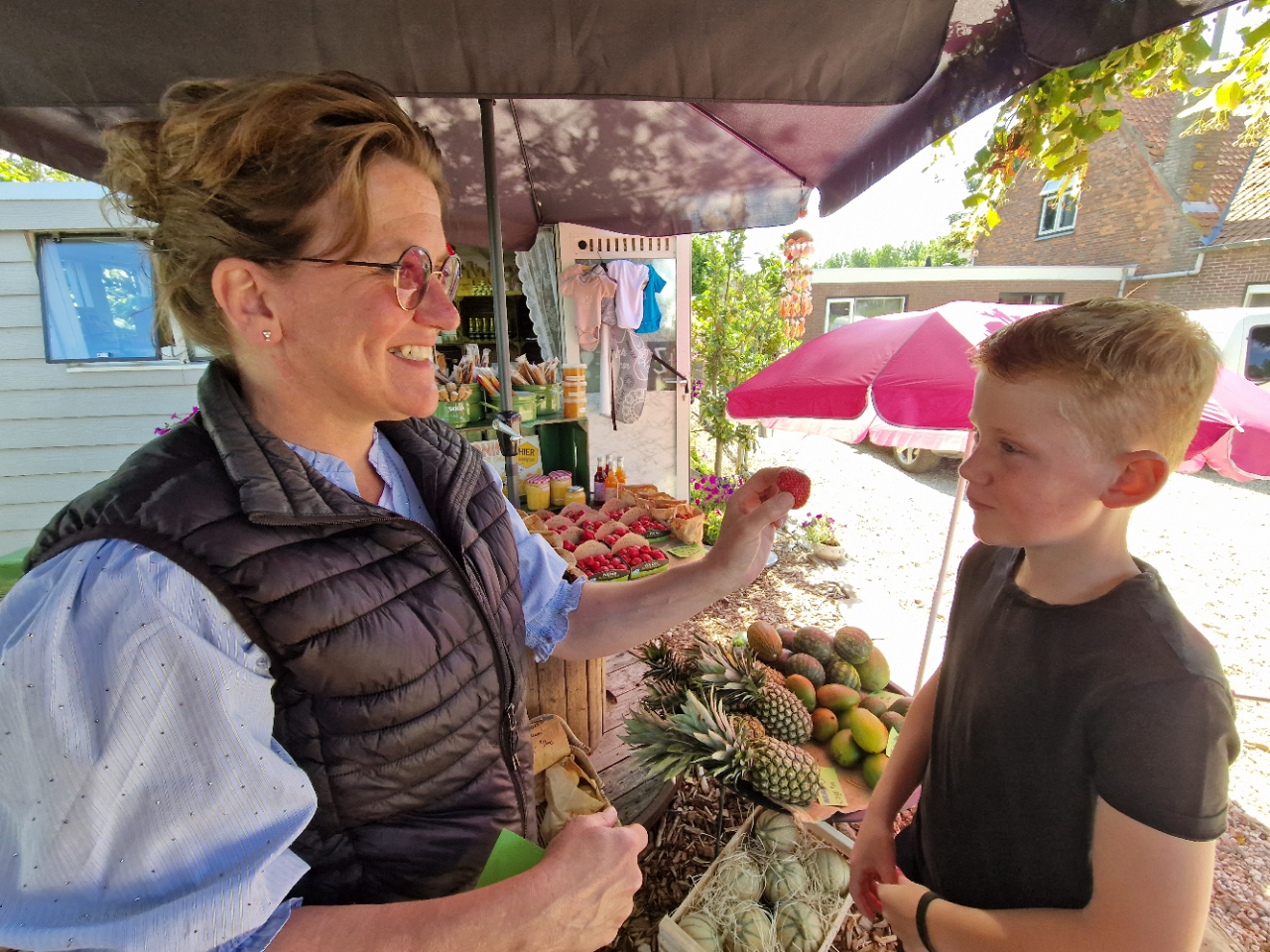
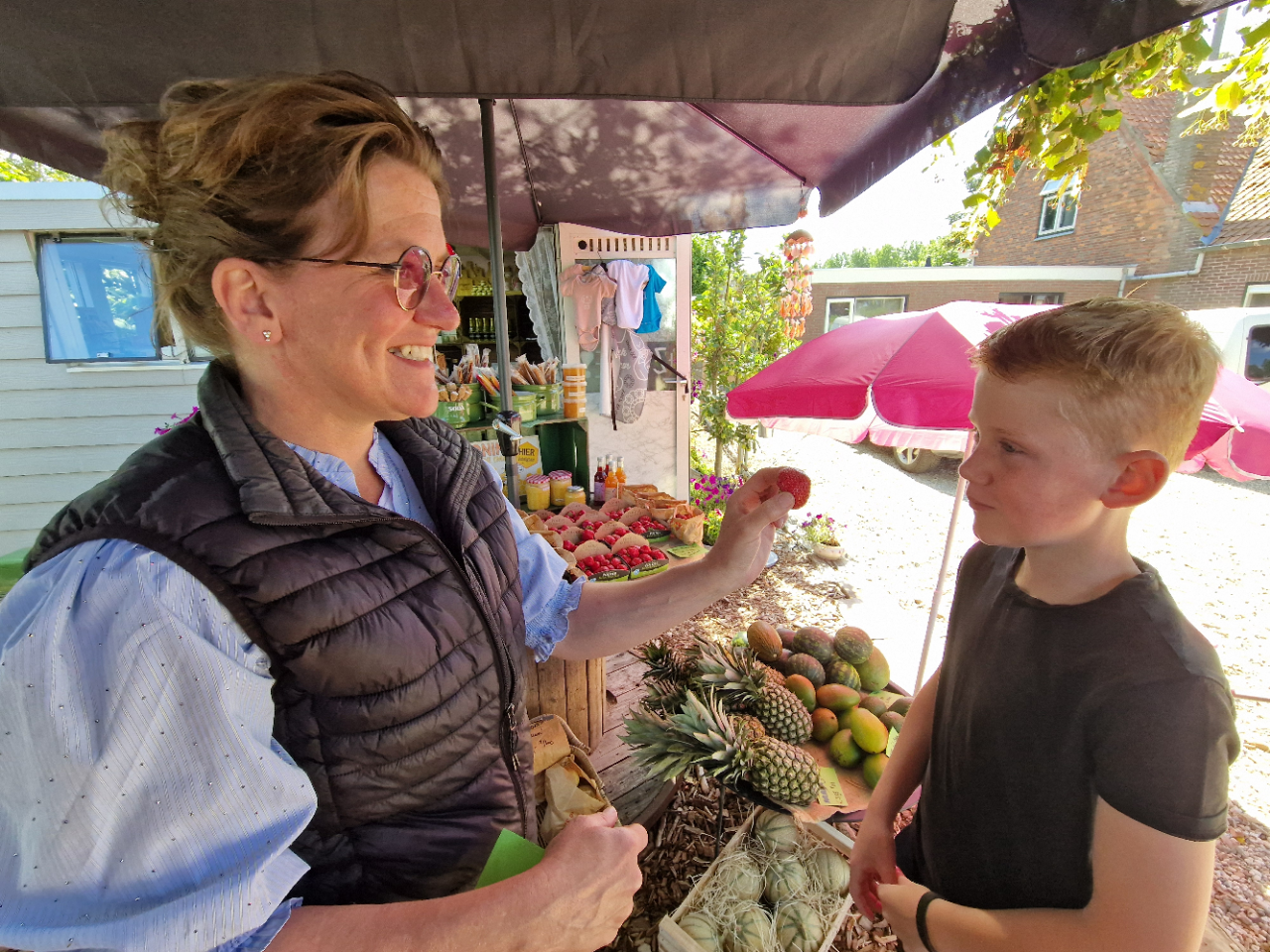
Make a quick stop at this friendly farm stall on Stekeldijk, right near the Veerse Meer. Ann-Marie and her son Jonathan sell fresh produce grown on their own land here: strawberries, cherries, plums, and seasonal vegetables, complemented by regional products from local farmers. You won't find out-of-season strawberries here; the rule is that fresh means *truly* fresh. A delightful place to take a break along the route.
3. The Pumpkin Shop
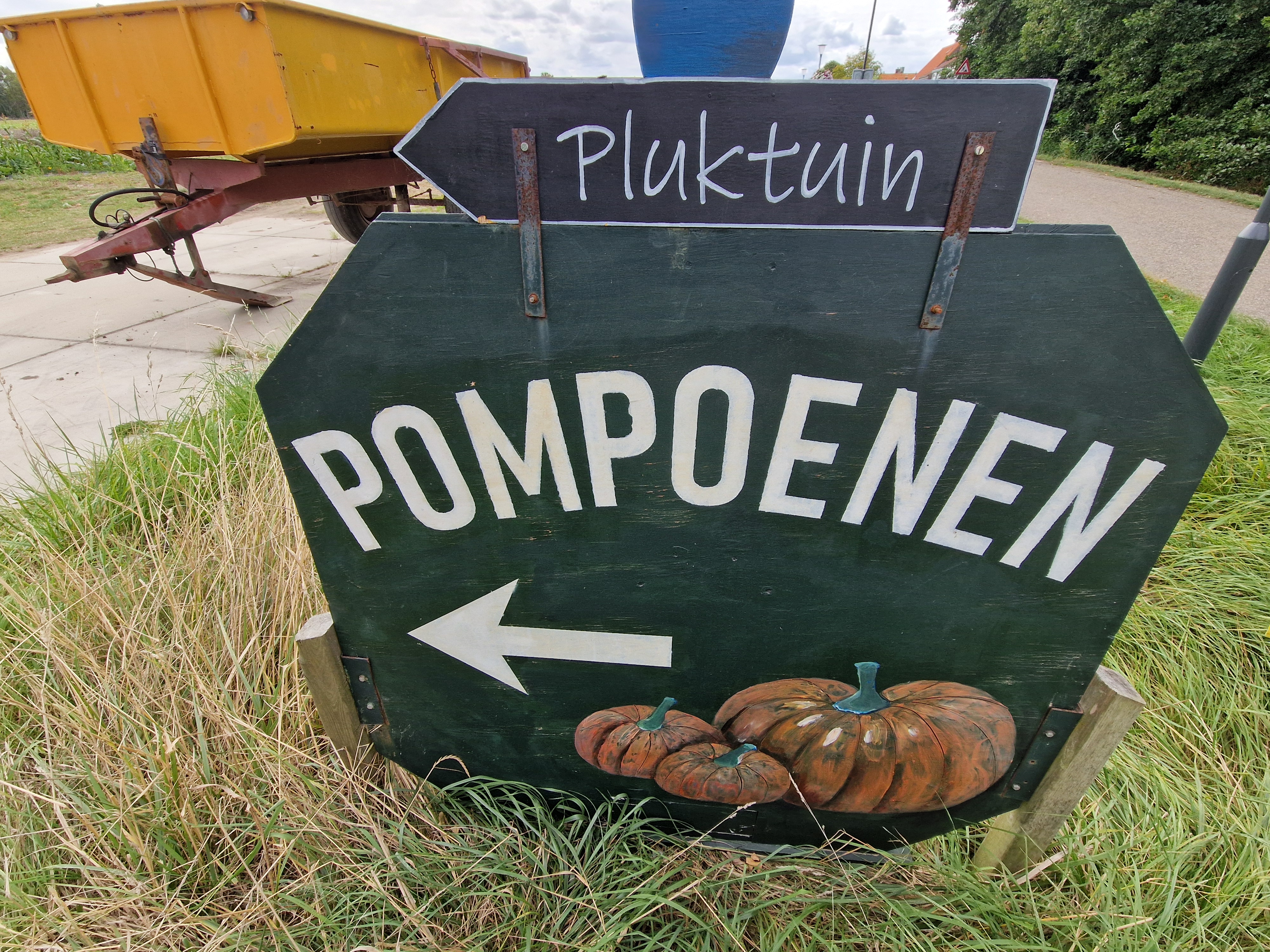
In an old equipment barn in Geersdijk, everything revolves around pumpkins and gourds from August to December. The Van der Zweep family grows dozens of varieties, ranging from edible Hokkaido and muscat pumpkins to colourful ornamental pumpkins and gourds. Come by for fresh pumpkins, pumpkin jam, or unique pumpkin-blossom honey. Outside the pumpkin season, a flower-picking garden awaits, featuring sunflowers and dahlias.
4. Sandee Fresh Produce Centre
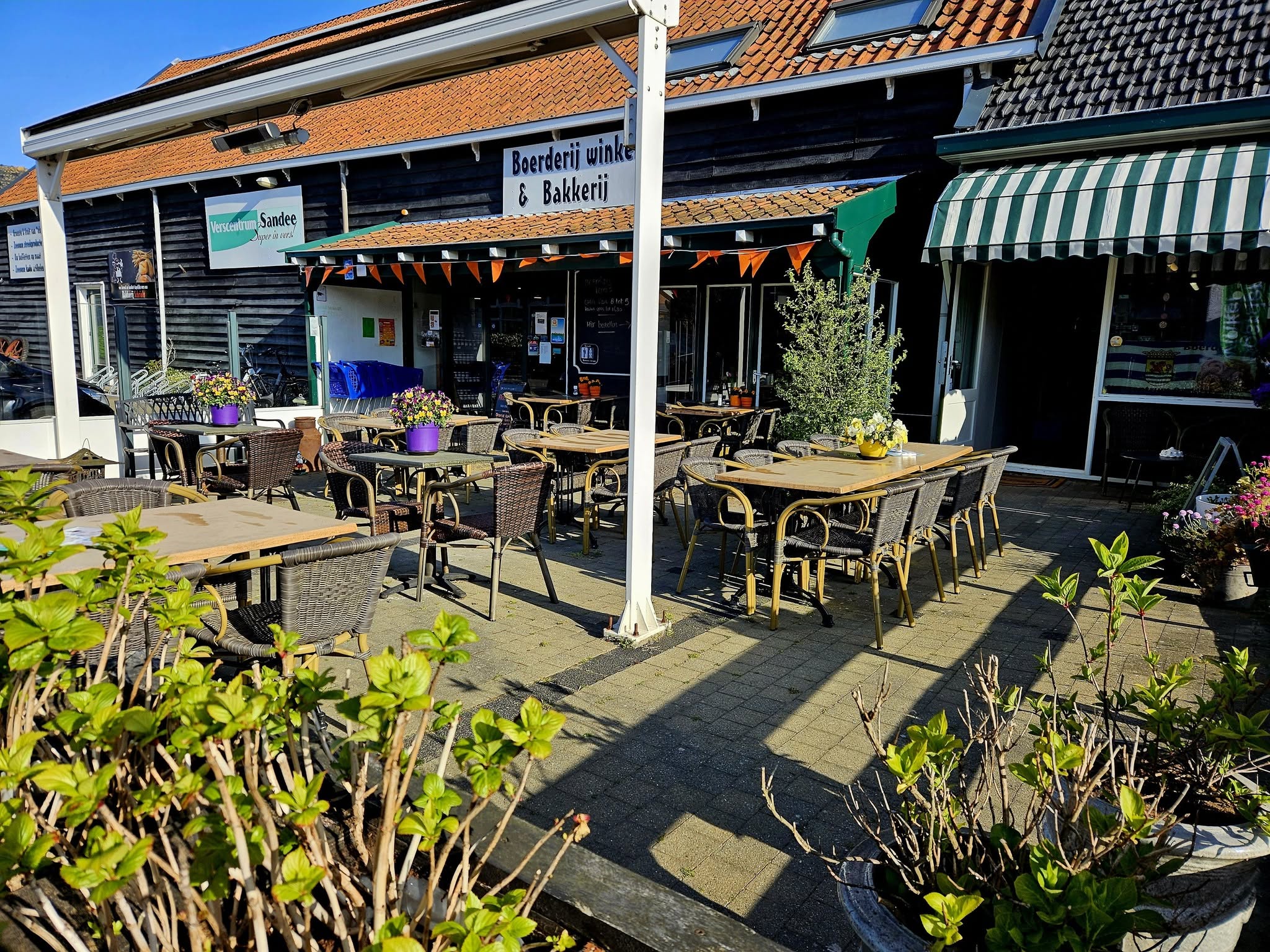
Step inside and the aroma hits you immediately: Sandee’s homemade apple pies. Anita and Robert have been running this Kamperland institution for generations. In addition to their famous apple pie, you’ll find jam made from their own strawberries, cherries, and plums, as well as fresh vegetables, ethically sourced meat, and a wide range of regional products. It is a genuine farm shop right in the heart of the village, where you can truly taste the difference between homemade goods and supermarket fare.
5. Delta Buffalo Water Buffalo Farm
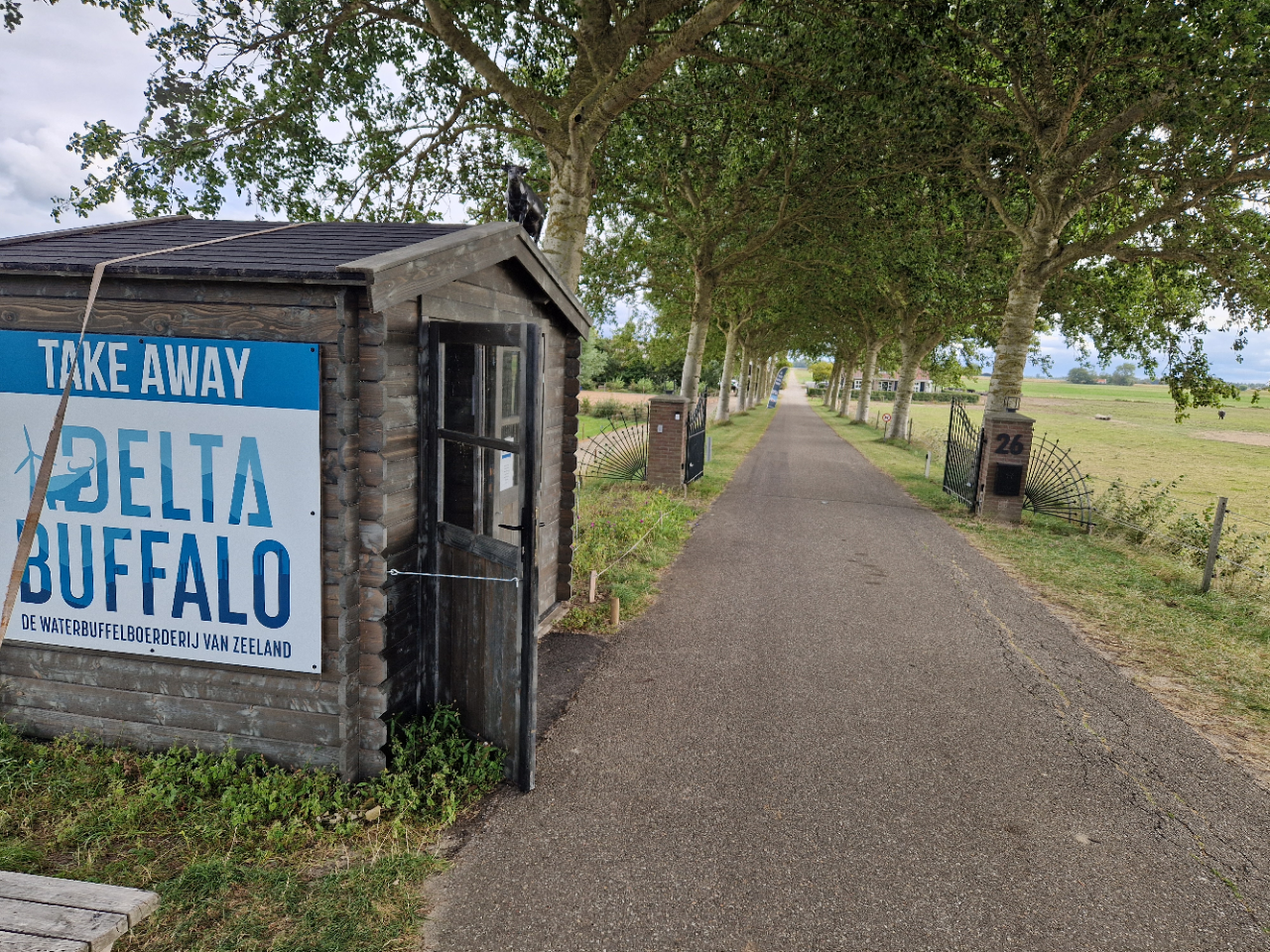
Water buffaloes in Zeeland—it might come as a surprise, but they are here. At Delta Buffalo on Jacobadijk in Kamperland, the Vermeer family raises water buffaloes for fresh dairy products and meat. Sample buffalo yogurt, buffalo kefir, or homemade *mozzarella di bufala*. Outside the winter months, you can see the animals grazing in the pasture. A surprising slice of Italy and Asia right on the edge of the Oosterschelde.
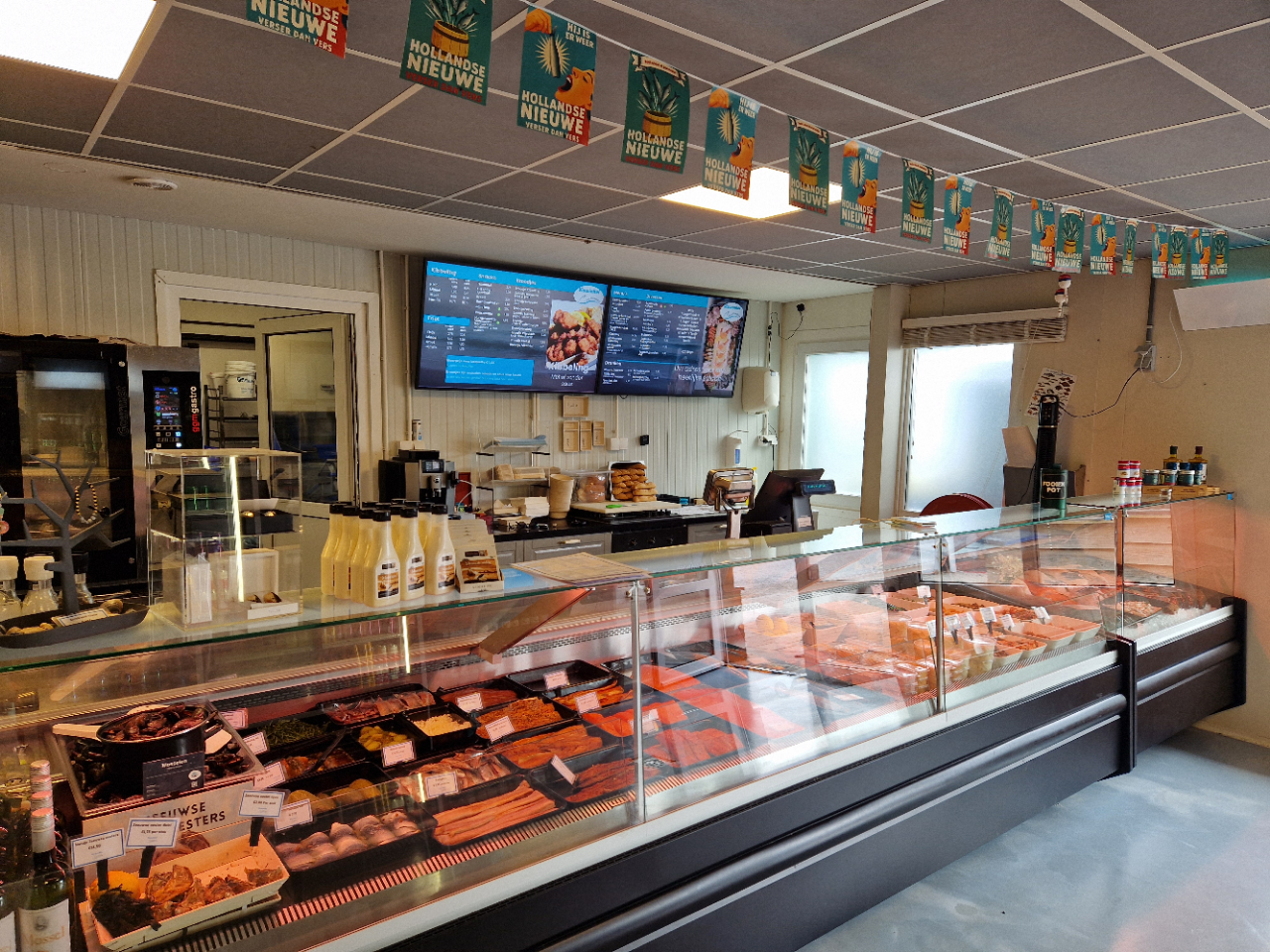
6. Het Kombuis Fish Shop
Tucked away on Jacobaweg, close to the beach and the Oosterschelde, lies the fish shop *Het Kombuis*. Owner Alex has been sourcing fresh fish from local fishermen for nearly forty years. *Kibbeling* (battered fish chunks) is the absolute bestseller, but the smoked fish, mackerel rolls, and shrimp croquettes come highly recommended too. During mussel season, mussels from Neeltje Jans are on the menu. Enjoy your meal outside in the nautical-themed seating area.
7. Seafarm
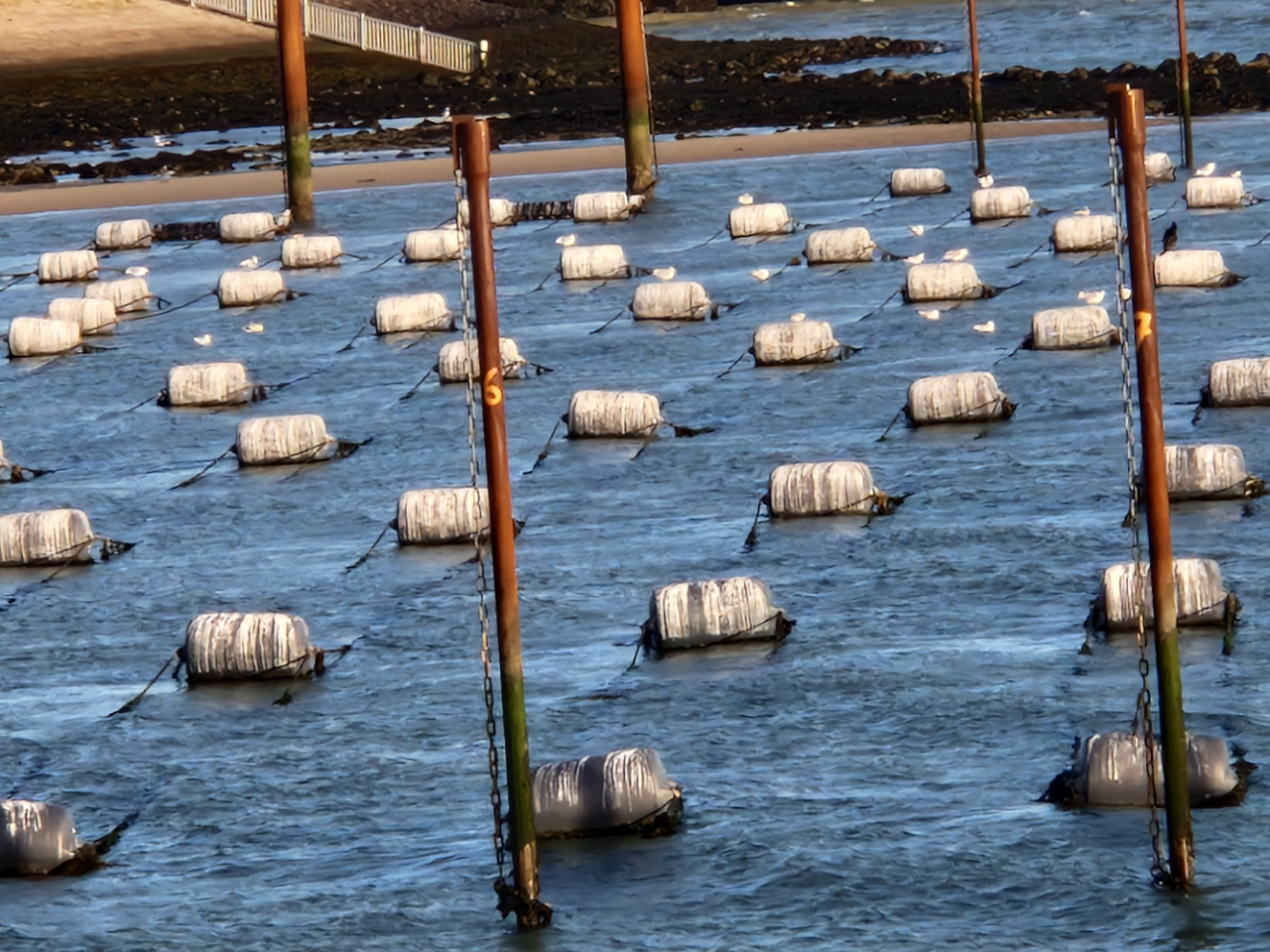
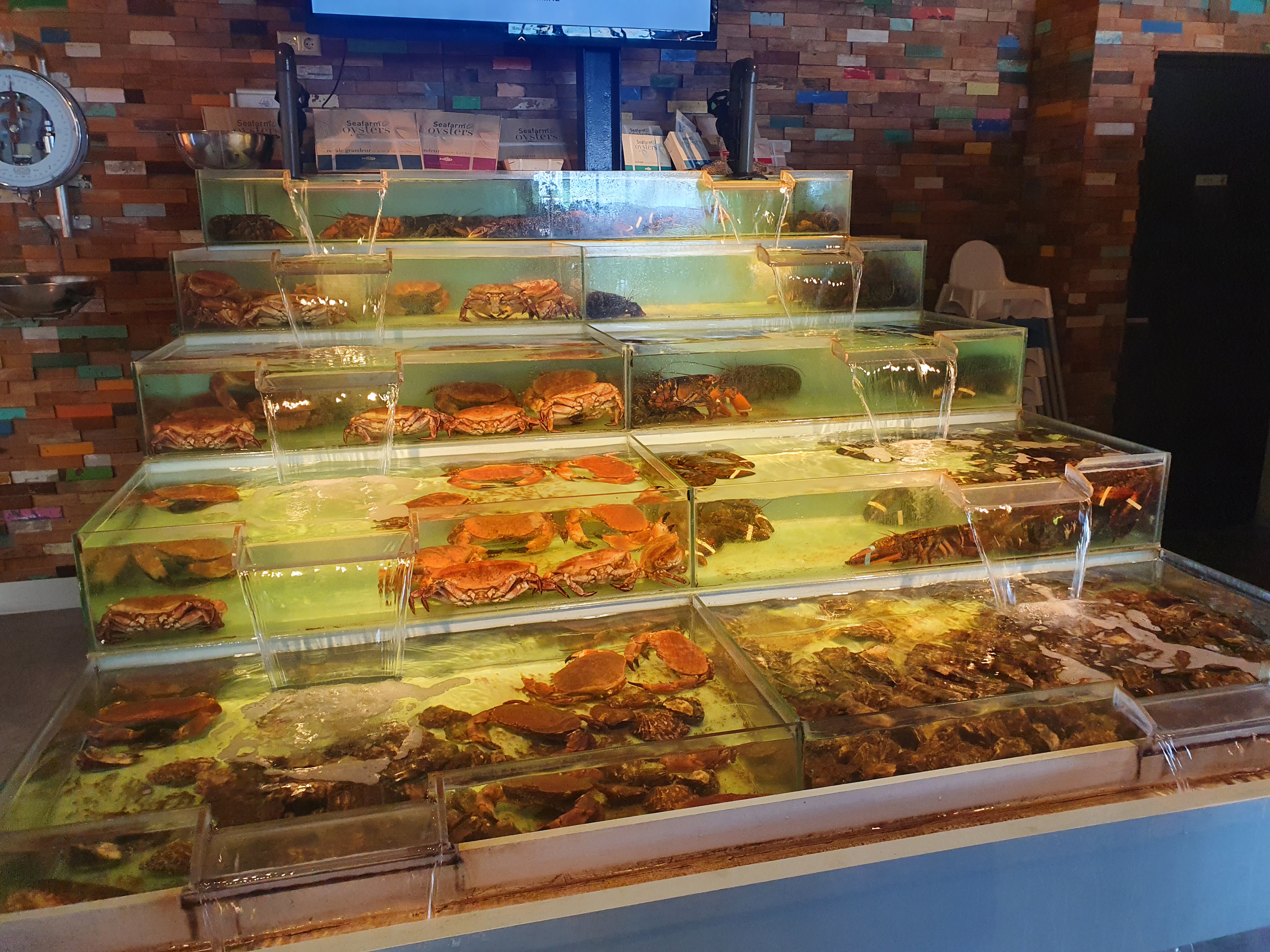
Located at Jacobahaven in Kamperland, Seafarm is a combined sea farm and restaurant. Seafarm processes shellfish such as razor clams, palourde clams, whelks, cockles, and oysters—all purified using water from the Oosterschelde. Want to join the Seafarm Tour? You’ll discover how marine farming works. Short on time? Take a look at the lobster tank near the entrance to admire the lobsters up close.
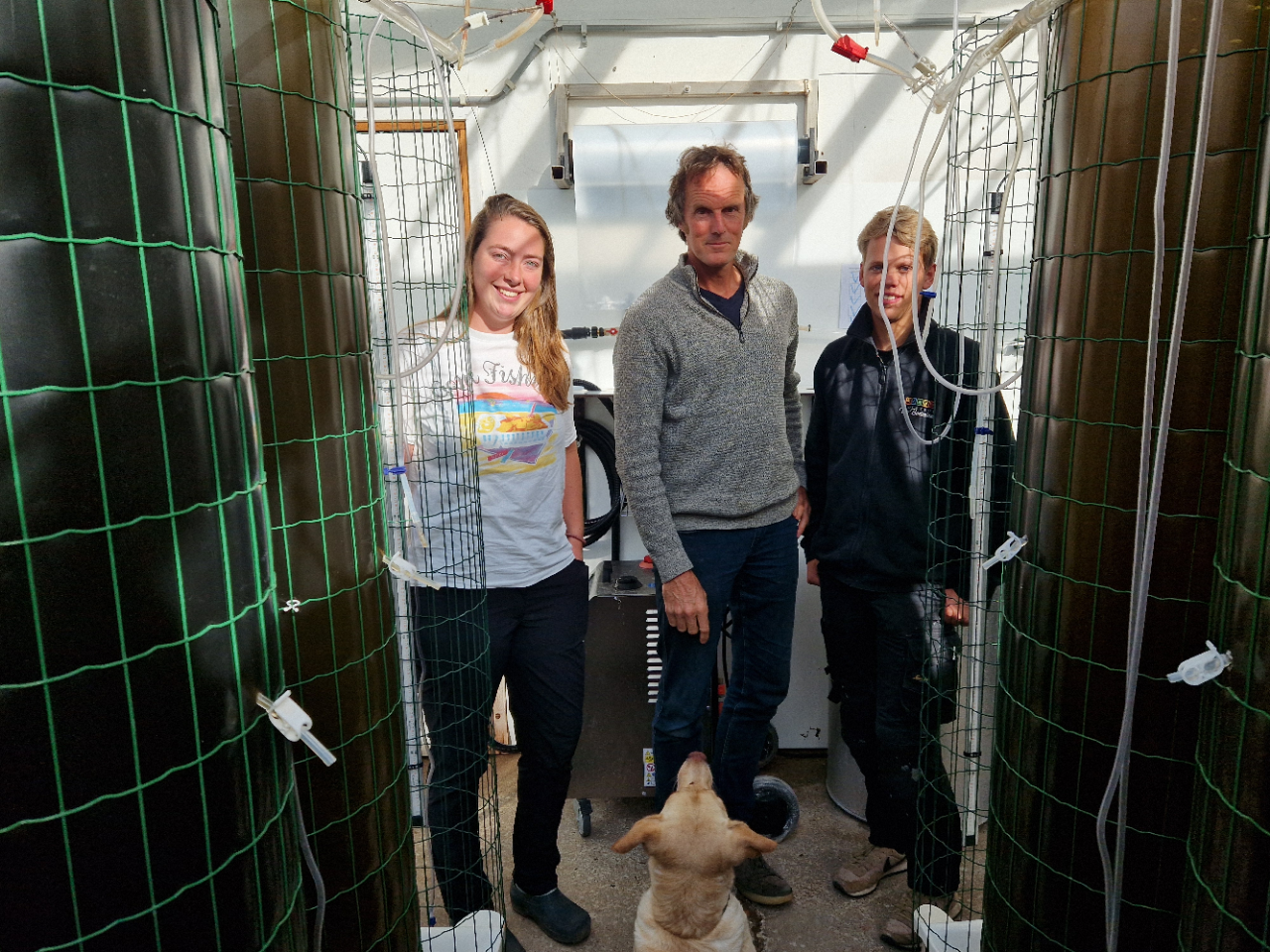
8. Seaweed Farm At Jacobahaven
The Seaweed Company experimented with cultivating seaweed in the Oosterschelde—a testing ground for the food of the future. More than 220 species of seaweed grow in the Oosterschelde, and it is already being processed into bread, ice cream, chocolate milk, and even cosmetics. Establishing an economically viable seaweed farm remains a challenge for now, but the quest continues.
9. Aqua Valley Sophiahaven
At Sophiahaven in Kamperland, companies, research institutions, and entrepreneurs are collaborating on the future of aquaculture. From seaweed and microalgae to shellfish and innovative cultivation techniques, Aqua Valley is a hub for marine innovation. Seafarm and the seaweed farm are part of this initiative, as are knowledge institutions such as Wageningen University and HZ University of Applied Sciences.
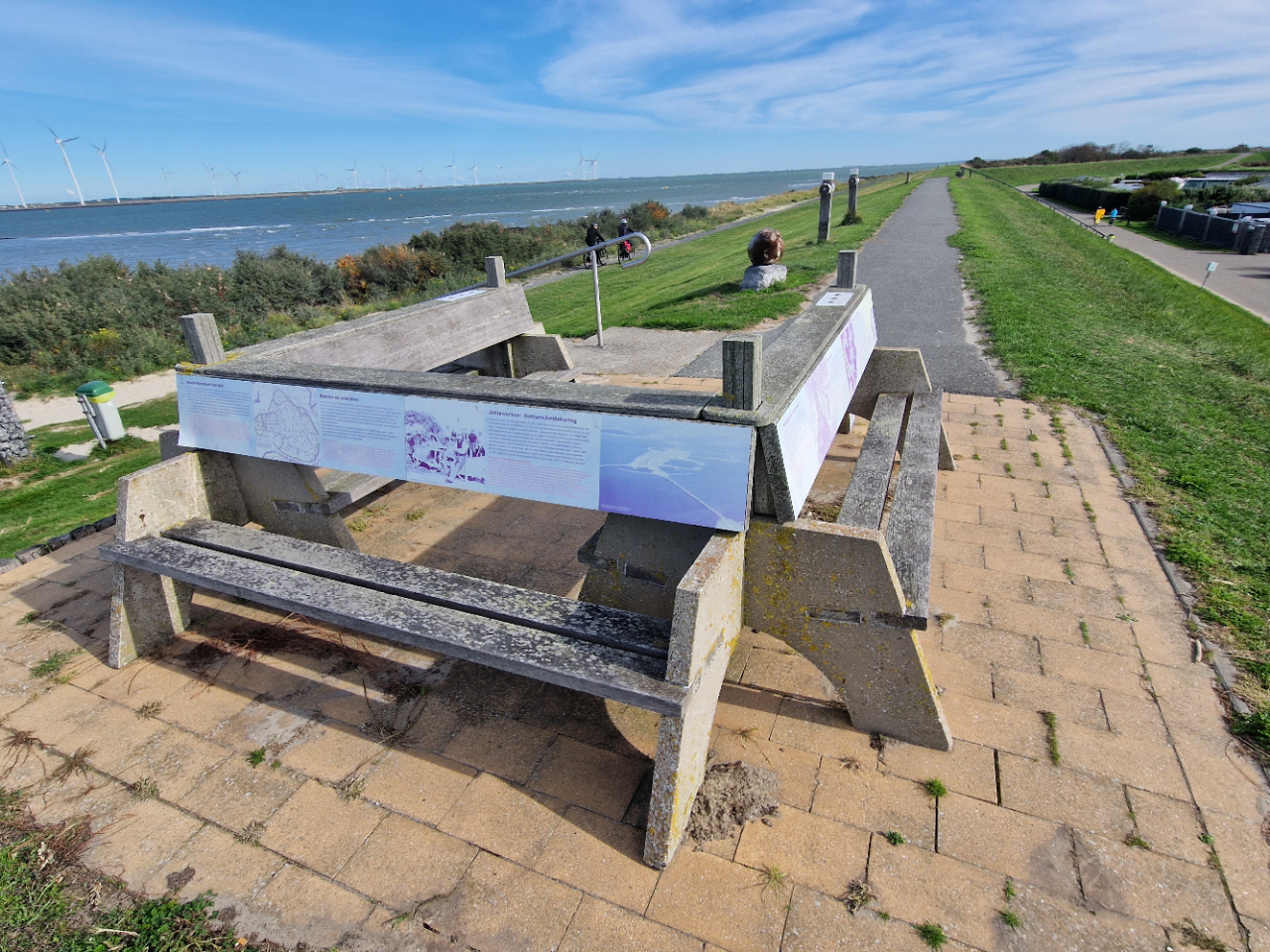
10. Anna Storytelling Bench
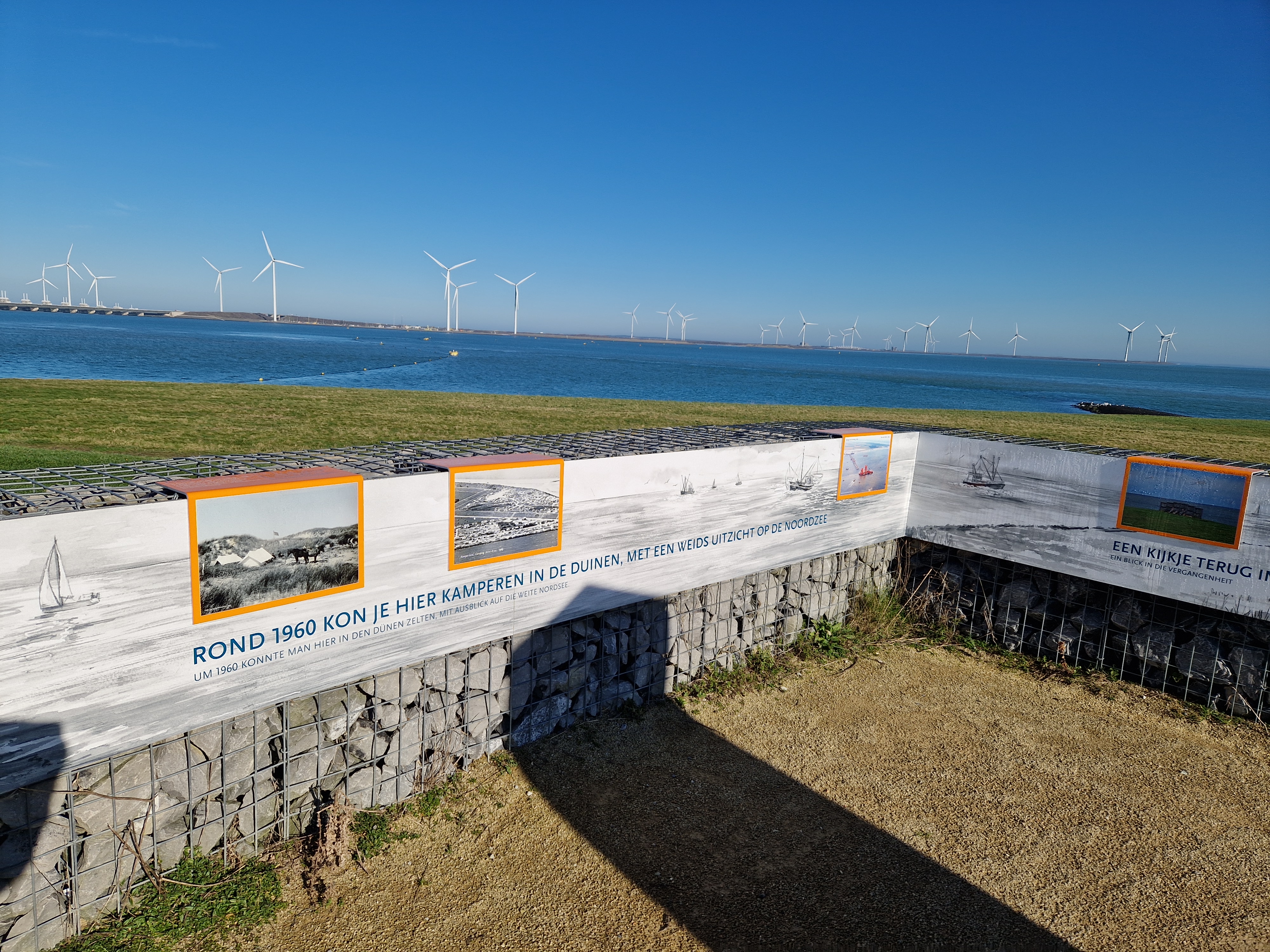
Take a moment at this storytelling bench on the dike near the Anna-Friso campsite. Through panels and audio, you can experience the story of Noord-Beveland: from the island's resurgence in 1598 following a period of inundation, to the eternal battle against the water and the arrival of the Delta Works. The view of the Oosterschelde and the Oosterschelde Storm Surge Barrier is impressive here—especially in the morning light or at dusk.
11. Inlagen (Polder Strips)
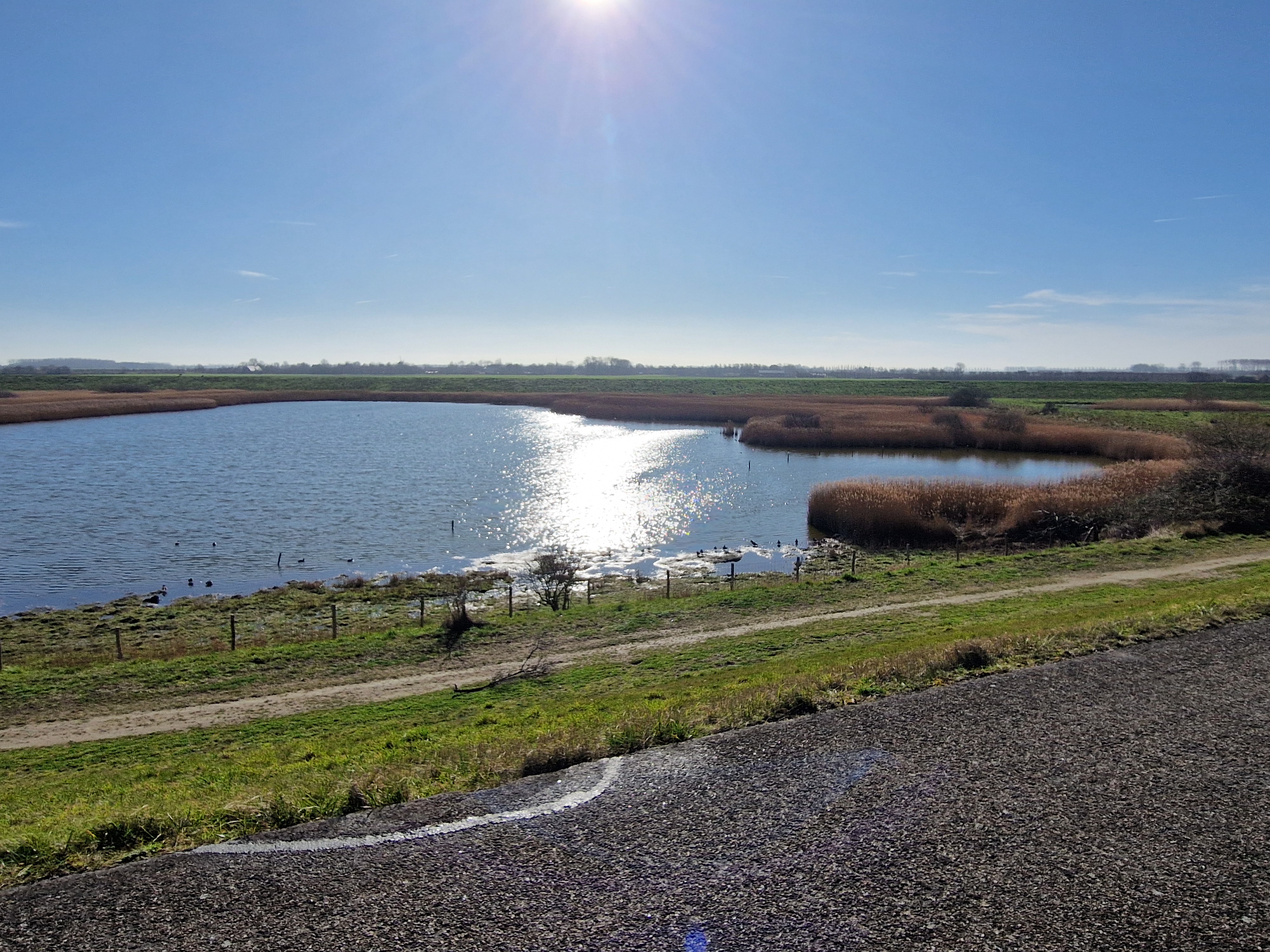
Dozens of *inlagen*—strips of land originally created as a secondary line of defense behind the old sea dike—lie along the Oosterschelde Boulevard. Today, they serve as valuable saline nature areas. At the Keihoogte *inlagen* (reclaimed polder areas) near Wissenkerke, you can spot wading birds—such as oystercatchers, avocets, curlews, and red knots—all year round. It is a fine example of how historic coastal defenses have evolved into a thriving natural habitat.
12. Dike Warden’s Hut & Tidal Tanks
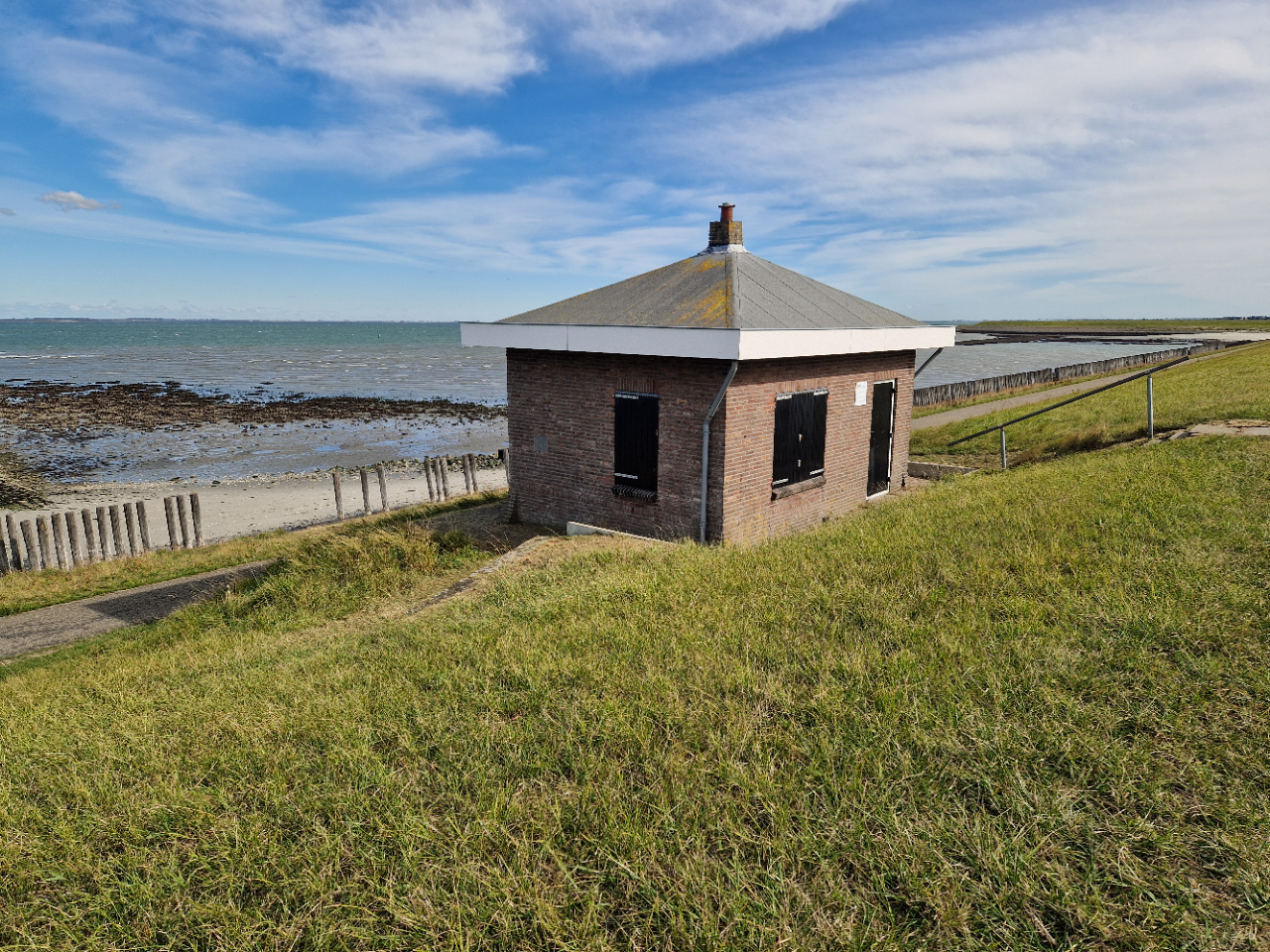
Two unique structures stand along the Oosterschelde Boulevard near Wissenkerke. The dike warden’s hut, dating from 1925, is the only remaining example in Zeeland and now serves as an information point for Oosterschelde National Park. Next to it stands a concrete tidal tank; at low tide, you can look inside and discover the underwater life of the Oosterschelde—from algae and seagrass to anemones and small fish.
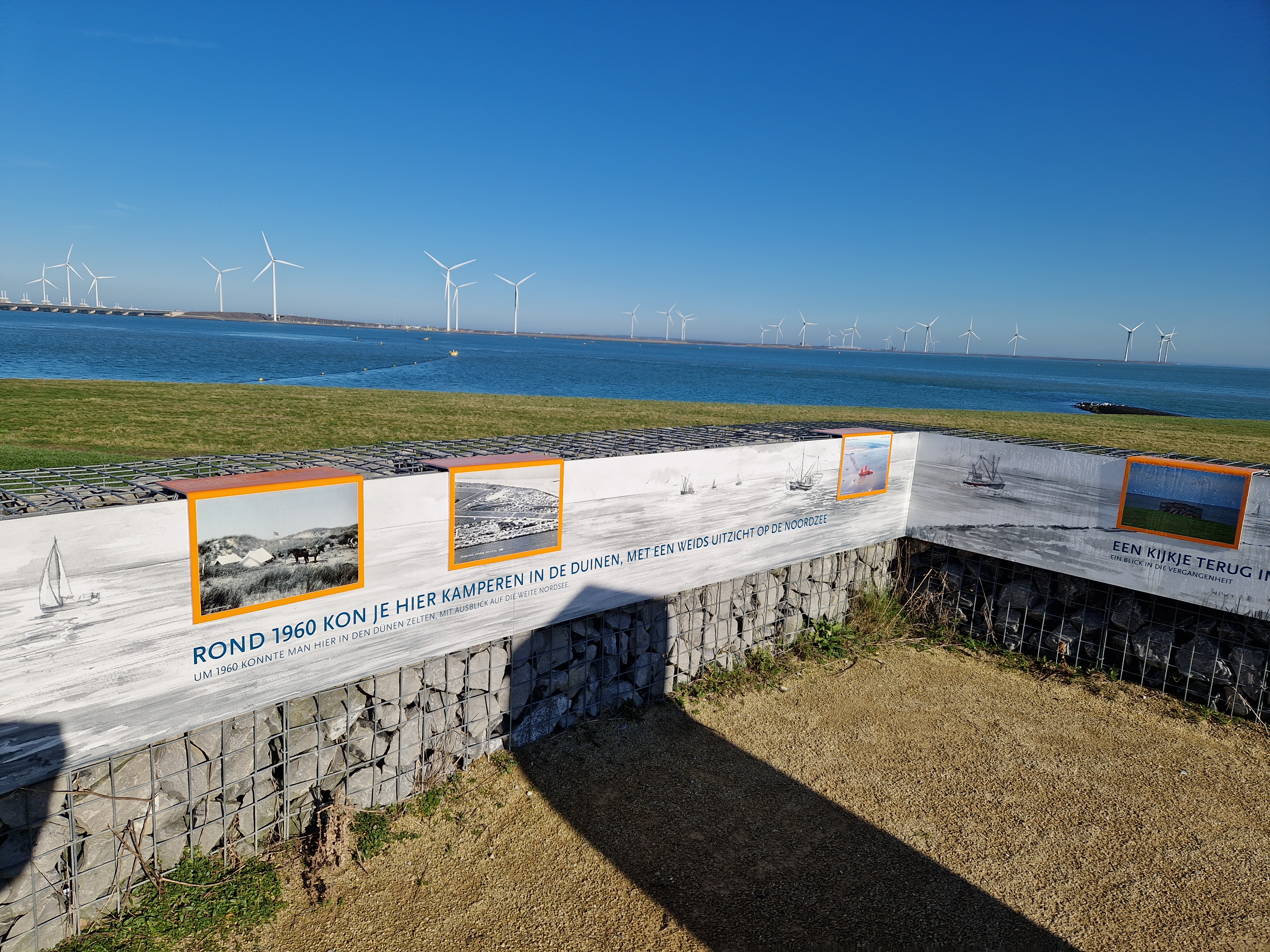
13. Oosterschelde Storm Surge Barrier Viewpoint
Conclude the route with an impressive view of the Oosterschelde Storm Surge Barrier: nine kilometers long, featuring 65 piers and 62 steel sluice gates. Built following the 1953 North Sea Flood to protect against the sea, the tidal area was preserved thanks to protests by fishermen and nature conservation organizations. Explore the tidal nature gateway (completed in 2026), featuring information panels, old sluice gates, and the unique ‘Bas’s Bench’ (*Bankje van Bas*).